The West Side’s Only Chicago Restaurant Week Participant Says More Area Eateries Should Get Into It
Quenton Love, owner of The Soul Food Lounge in North Lawndale, lauded the annual citywide festival, urging other West Side restaurants to join its host, Choose Chicago
Chicago Restaurant Week begins today (it runs through Feb. 8) and a record-breaking number of restaurants from across the city and suburbs—more than 550, including more than 150 women- and/or minority-owned establishments—are rolling out special menus to attract new diners.
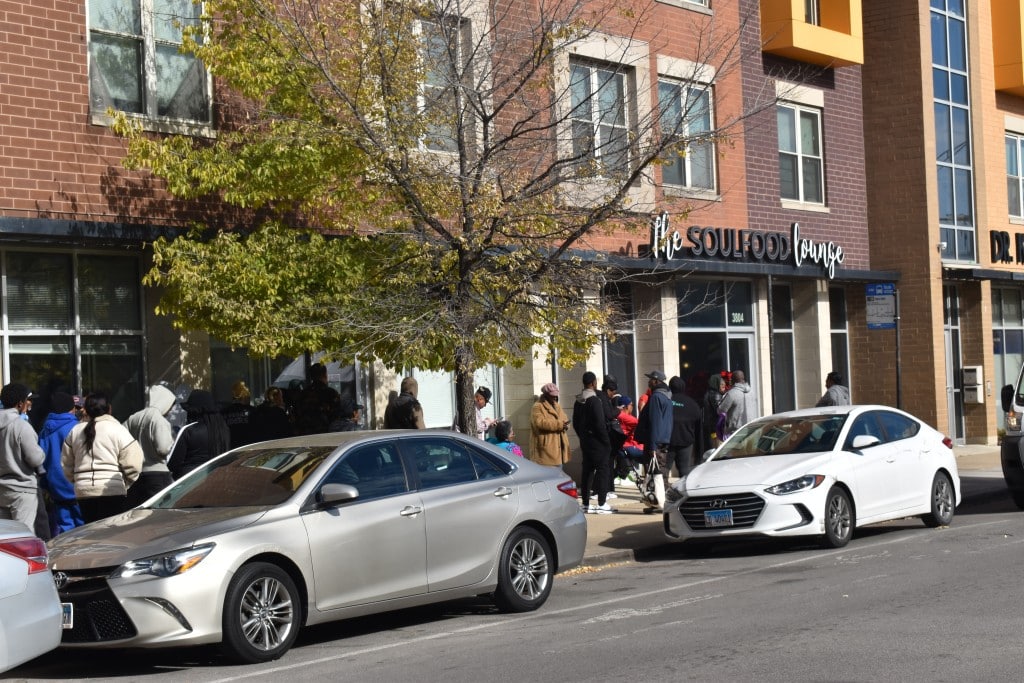
But only one of them—The Soul Food Lounge at 3801 W. 16th St. in North Lawndale—is located on the West Side, according to an online map of participating restaurants this year. The only restaurant participating in the near west suburbs is Nando’s PERI-PERI at 1138 Lake St. in Oak Park.
The low participation among West Side food establishments in Chicago Restaurant Week may be due to limited awareness of the registration process and the $500 fee, which could make participation prohibitive for some restaurants.
“I don’t think it’s a conspiracy,” said Quenton Love, the owner of The Soul Food Lounge, which has a second location at 10701 S. Hale Ave. in Morgan Park.
Love said that a few years ago, not long after he opened his restaurant, a liaison from Choose Chicago, the city’s official tourism marketing nonprofit that administers Chicago Restaurant Week, reached out to help him navigate the process.
He said the outreach was part of a broader effort to increase participation from Black-owned restaurants across the city in the annual culinary initiative, which has been happening since 2008.
“They noticed there was a shortage of Black-owned restaurants participating in a lot of the programs,” Love said. “So they reached out to different restaurants to try to help them get involved.”
Rather than viewing low West Side participation as a deficit, Love believes it represents untapped potential.
“Restaurants on the West Side should absolutely collaborate and become partners with Choose Chicago,” he said. “They’re the ones that put on Chicago Restaurant Week. If you go to their website and become a member, that’s the first step.”
This year, Love using the platform to showcase new flavors alongside his regular menu. For Restaurant Week, he’s offering a prix fixe menu that includes a sweet chili white fish—a new addition—and his own take on steak and frites with a wine cream sauce.
The timing, he said, is especially helpful.
“January is always weird for restaurants,” Love said. “Everybody’s trying to hold on. Restaurant Week comes right on time, and then Valentine’s Day comes right after that.”
Like many small restaurants, Soul Food Lounge has had to navigate changing economic conditions. When the Trump administration announced in November that it would cut a portion of Supplemental Nutrition Assistance Program (SNAP) benefits, Love served free meals to community members in need every Tuesday. He said the restaurant stopped serving once SNAP benefits were restored.
“When the next situation comes around, we’ll definitely jump back on board,” Love said. “Right now, we’re just trying to stay afloat like everybody else.”
Black Restaurant Week: Another Opening for Growth
Chicago Restaurant Week is followed each winter by Chicago Black Restaurant Week, a separate initiative designed specifically to highlight and support Black-owned dining establishments. This year, the initiative runs from Feb. 8 through Feb. 22.
Participation patterns in that event show a similar opportunity gap. Last year, only one West Side restaurant—TNT Rooftop Restaurant at 5405 W. Madison St. in Austin—participated in Chicago Black Restaurant Week. The South Side dominated the list of participants, according to reporting by Block Club Chicago.
Like Chicago Restaurant Week, Black Restaurant Week also requires a participation fee, though it is much lower ($119), and restaurants must formally register to be included in promotional materials and events. Organizers outline the process and costs on the event website and through an online registration portal.
For Love, both events serve the same purpose: connecting small neighborhood restaurants with a wider audience.
“It’s not just about Restaurant Week,” he said. “It’s about the overall experience and getting more people to see what we have to offer on the West Side.”
Related Articles
Neighborhood Retail Activation Program Targets Austin’s Madison Street With New Storefront Opportunities
City initiative aims to fill vacant spaces, speed licensing, and help entrepreneurs build lasting businesses on the West Side

Austin Artist Wants to Bring Color, Craft, and Artistic Community to the West Side
Multidisciplinary artist Briana Shields recently launched Deco Ave Creative Studio & Wellness House
Austin Business Hub Opens Doors With Trades Program Aimed at Building West Side Workforce
The Rutues Center for Business & People Development launches 16-week trades program to create pathways into union jobs, entrepreneurship, and licensure