Rebuilding From Within: Using Hope and Self-Efficacy to Heal Through Trauma
As a business psychologist, much of my work focuses on helping people develop the internal tools necessary to navigate adversity, setbacks, and change. In fact, my dissertation research focused on Psychological Capital — often called PsyCap — and its ability to influence human development, performance, and well-being positively. During Mental Health Awareness Month, I believe it is important that we talk not only about trauma itself, but also about the psychological resources that help people heal from it.
Many people in our communities carry trauma every day. Sometimes it comes from violence, poverty, grief, instability, incarceration, discrimination, or simply years of chronic stress. Trauma impacts more than emotions; it can also reshape how people see themselves, how they see others, and whether they believe a better future is even possible.
That is where Psychological Capital becomes important.
Psychological Capital is built on four core components: Hope, Self-Efficacy, Resilience, and Optimism. Research has shown that these psychological resources are connected to improved mental health, coping ability, motivation, and overall life outcomes. In this inaugural column, I want to focus on Hope and Self-Efficacy because these are often the first things trauma attacks.
Hope: The Ability to See a Future Again
Hope is not pretending everything is okay. Hope is the ability to believe there is still a pathway forward, even after hardship.
One of the dangerous effects of trauma is that it can create emotional paralysis. People begin to feel stuck. According to the Substance Abuse and Mental Health Services Administration (SAMHSA), trauma exposure is strongly connected to feelings of hopelessness, helplessness, and emotional withdrawal.
I often tell people this: when individuals stop believing things can improve, they also stop investing in themselves.
Hope matters because it helps people reconnect to goals, purpose, and possibility. Sometimes rebuilding hope starts with something small:
- Setting one realistic goal
- Creating a daily structure
- Having honest conversations
- Finding mentors or positive influences
- Celebrating progress instead of perfection
One strategy I encourage is asking: “What is one thing I still have control over today?”
Trauma can make life feel overwhelming, but small wins help rebuild momentum.
Self-Efficacy: Rebuilding the Belief That “I Can”
Self-efficacy is the belief in your ability to succeed, adapt, or overcome challenges. Trauma often damages this belief.
After repeated disappointments, instability, or painful experiences, people may begin to question their own capabilities. They stop applying for opportunities. They stop speaking up. They stop believing their decisions matter.
Research from the National Institute of Mental Health shows that chronic stress and trauma can negatively affect confidence, emotional regulation, and decision-making. But self-efficacy is not fixed; it can be developed.
Communities can strengthen self-efficacy by:
- Teaching practical skills
- Providing encouragement and support
- Creating environments where mistakes become learning opportunities
- Helping people accomplish manageable goals
- Exposing youth and adults to examples of success that feel relatable
One exercise I recommend is creating an “evidence list.” Write down moments when you survived difficult situations, solved problems, or pushed through adversity. Trauma has a way of making people forget their own strength.
Healing is not only about addressing pain. It is also about rebuilding belief. Hope allows people to see possibilities again, and self-efficacy helps them believe they are capable of reaching them.
In my next column, Part 2 of this series, I’ll focus on Resilience and Optimism and how communities can continue building psychological tools for healing and growth.
About the Author
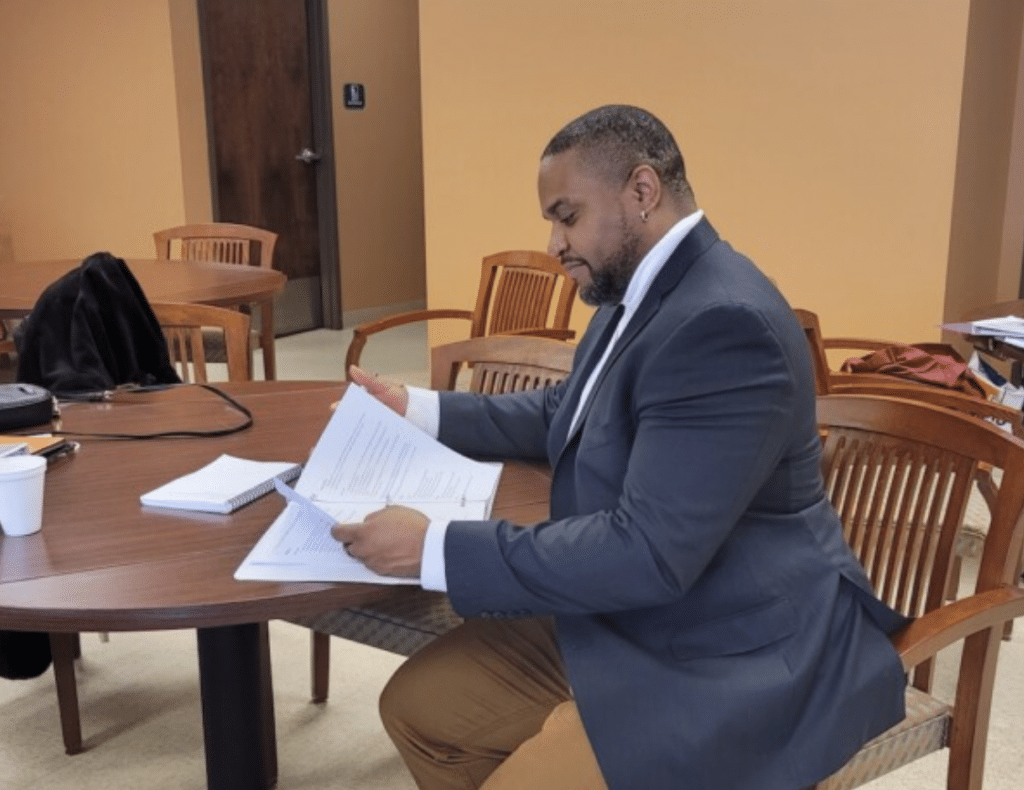
Deondre’ Rutues is a business psychologist, community leader, and systems builder whose work sits at the intersection of human behavior, workforce development, and community transformation. Trained in industrial-organizational psychology and business, Rutues specializes in translating behavioral science into practical strategies that strengthen individuals, organizations, and neighborhoods — particularly in historically under-resourced communities. Read more of his bio here.
Related Articles

OPINION: Halt the Current CPS CEO Selection Process and Install Dr. Macquline King as CEO Through the School Year
“This is not a casual disagreement over preference or personality”
OPINION: Eight Schools. One Purpose. Elevating the 8th District.
Shantel Franklin, a candidate for 8th District state representative, on her journey from homelessness to the campaign trail
Putting the 7th Congressional District Race Into Historical Context
Today’s political climate is more similar to the uncertain and dangerous pre-Civil War 1840s and ‘50s than the 1990s