West Siders Are Canceling TikTok Due to New Privacy Concerns, Fears of ‘Shadow Banning’
After the app’s U.S. operations split from its Chinese parent, creators reported sudden drops in reach and raised concerns about privacy, data use, and political speech
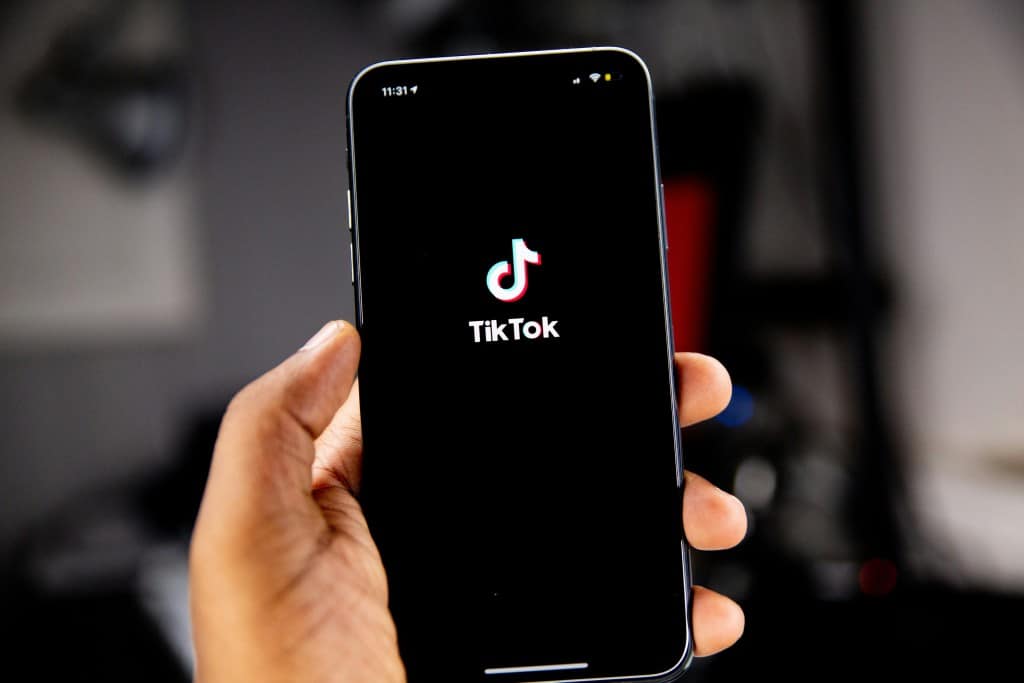
West Side TikTok users are taking steps to protect their privacy after changes to the app’s terms of service and privacy policy were rolled out on Jan. 22.
According to BBC reporting, TikTok’s U.S. division was formally split from its Chinese parent company, ByteDance, in a deal concluded last week, creating a newly structured American entity to operate the app in the United States. Just days after the separation, the BBC reported, thousands of American users began reporting problems, including posts receiving “zero views” and sudden drops in reach.
The timing has raised alarms among creators who rely on TikTok to distribute art, activism, and community information.
Aisha Oliver, a West Side influencer and youth advocate with nearly 180,000 TikTok followers, said she deleted her account after reviewing the updated privacy terms.
“Well I just deleted my TikTok at almost 180K followers,” Oliver wrote in a Jan. 27 Facebook post. “The US got control and changed the privacy terms. So nope I’m out. Read those terms. One thing I’m not is stupid. Time to start over.”
The updated documents say TikTok’s services in the U.S. are operated by TikTok USDS Joint Venture LLC and detail the types of information the platform may collect and how it may use it — including language that stands out to privacy-minded users: collection of “AI interactions,” technical signals such as “keystroke patterns or rhythms,” and analysis of user content that may include identifying faces and voices.
For many younger adults, TikTok is not just entertainment — it’s an archive, a resume and, increasingly, a search engine for music, art, news, and everyday advice.
“I’m very much in the generation that lives on our phones,” said Zoe Nellum, 24, an Austin resident. “The virtual world became the real world to us at a young age.”
Nellum said she and her friends have been trying to avoid clicking “agree” when the updated policy appears.
“A lot of us who are socially conscious about this have been trying to bypass that,” she said. “By downloading the app, it pops up right away, but what you do is go into airplane mode, and you come out of it to make sure you don’t agree. So, there’s a way to bypass it for now.”
On Oliver’s post, other creators and viewers raised concerns that go beyond privacy — including whether the platform is pushing certain content less aggressively.
“Is this why my views just took a major decrease?” wrote Kobey Lofton in a comment. “I just built momentum and hit almost 10k views then my recent videos are barely reaching 1K or even 500+… Let’s plans this, I’m all over it.”
“That’s absolutely why your views are low,” Oliver replied. “They’re not pushing our videos out to the [audiences,] it’s like being shadow banned.”
TikTok’s updated privacy policy and terms do not say the platform is reducing distribution based on users’ political views. But they do outline expansive collection and use of data for features, safety, advertising, and the development of new technology — including training and improving machine-learning systems — which, privacy experts often note, can deepen the amount of profiling and inference platforms can do even without users explicitly sharing sensitive details.
In plain language, the new documents emphasize that TikTok may collect information in three broad ways: what users provide, what is automatically collected through usage and devices, and what comes from advertisers and other partners. They also describe how content may be analyzed for features like recommendations and effects — and, in certain cases, may involve biometric identifiers derived from user content.
TikTok has denied claims that its newly restructured U.S. operations are deliberately controlling or suppressing user content. In a statement to the BBC, a spokesperson for TikTok US said the issues stem from technical challenges following the corporate transition.
“We’ve made significant progress in recovering our US infrastructure with our US data center partner,” the spokesperson said, according to the BBC. “However, the US user experience may still have some technical issues, including when posting new content.”
The company has not publicly linked the infrastructure recovery to changes in content distribution or moderation practices. Still, the episode underscores how global politics, corporate restructuring, and data governance can quickly reshape the digital spaces where many people now live, organize, and learn.
Nellum said she’s anxious about losing access to the creative and informational library she’s built over time.
“I have two TikTok accounts. It’s common to have alters,” Nellum said. “This is the sad part. There’s no easy way to save all the TikToks you have … There’s so much good art and talent and information. It’s become an informational source for a lot of people, so I’m saving everything to my camera roll, and I plan to eventually delete both my accounts.”
Nellum tied her decision to broader political concerns, including distrust of government involvement and the fear of silencing.
“Because of the U.S. and its involvement with Israel, it’s such a big picture thing,” she said. “They’re going to try to start suppressing voices.”
TikTok’s new reality — what changed and what users can do
In plain language, here’s what’s happening and how to respond.
- TikTok’s U.S. operations are now separate
What changed: TikTok’s U.S. division has been split from ByteDance, its Chinese parent, following prolonged pressure from U.S. lawmakers.
Why it matters: New ownership and infrastructure often mean new data pipelines, new moderation systems, and technical instability during transition.
- Users are reporting sudden drops in views
What people are seeing: “Zero views,” stalled reach, and sudden audience loss.
What TikTok says: These are technical glitches related to rebuilding U.S. infrastructure, not content suppression (per BBC reporting).
What users fear: Algorithmic suppression tied to political speech or new controls.
- The new privacy policy is broader
TikTok says it may collect: Draft videos (even if you don’t post them), AI prompts and interactions, technical signals like device IDs and typing patterns, facial and voice data derived from videos (where allowed by law).
- Deleting doesn’t erase everything
If someone saved, reposted, or remixed your content, it may still exist even after you delete your account.
- Many users are backing up now: If you’re considering leaving or pausing TikTok:
Save important videos to your camera roll; request your TikTok data through settings; screenshot analytics, collaborations, or brand deals; add your email, website, or other platforms to your bio first.
- Workarounds aren’t permanent
Tactics like airplane mode may delay agreement prompts, but continued use generally requires accepting updated terms.
- The bigger picture
TikTok’s transition reflects a global shift. Social media platforms are now sites of geopolitical power, not just entertainment. For young users — especially politically engaged Black youth — that raises fears about surveillance, control, and whose voices travel farthest.
Related Articles

Candidate Forums for CPS Local School Council Elections Begin Next Week
With forums running Feb. 23–27, fewer than half of West Side LSC races currently have enough candidates
West Side Clergy Remember Life and Legacy of Jesse Jackson, Push for Voting Bill Named After Him
During a Feb. 21, local pastors and leaders recalled Jackson’s ‘Keep Hope Alive’ mantra, while Speaker Welch vowed to pass the Jesse L. Jackson Sr. Young Voters Empowerment Act
Rev. Jesse Jackson, Civil Rights Strategist and Architect of Modern Democratic Coalitions, Dies at 84
The Baptist minister and activist also influenced clergy, activists, and politicians on the West Side and in the west suburbs