
Softball ‘Was a Chess Match for Me’
Sharif Walker, a New Inductee Into the 16’’ Softball Hall of Fame, Dissects His Passion
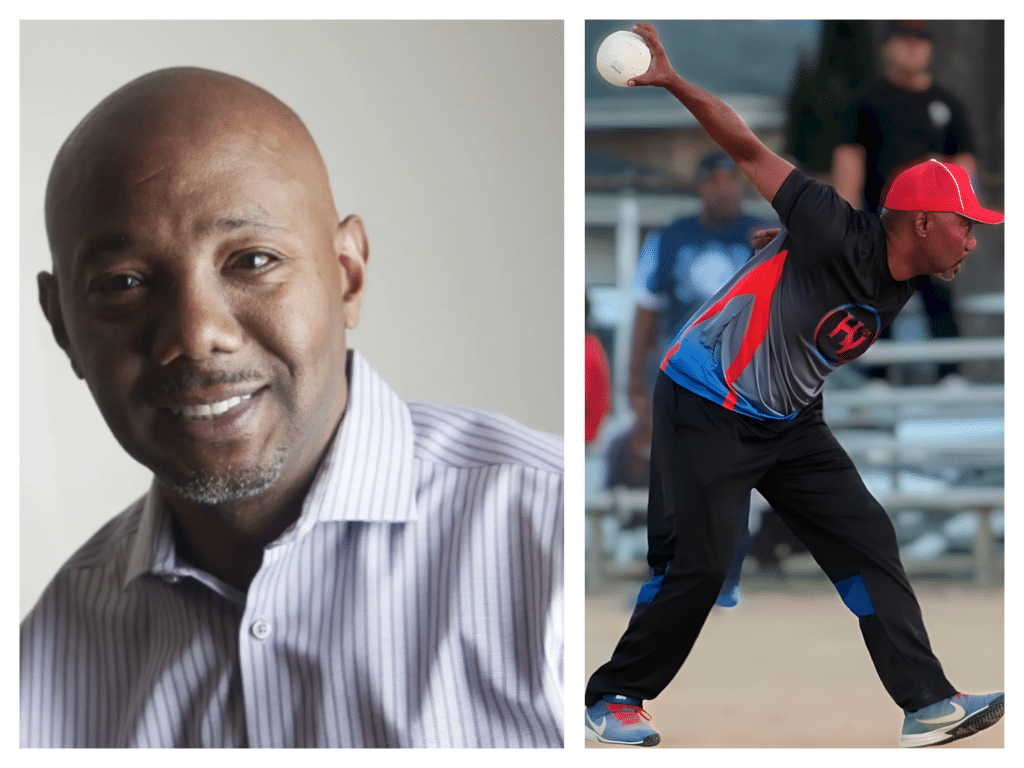
Sharif Walker, 55, was inducted into the Chicago 16-Inch Softball Hall of Fame during a ceremony at Drury Lane in Oak Brook on Oct. 25. Earlier this month, Walker, the president and CEO of the Austin nonprofit Bethel New Life, was interviewed by local media personality and 16-inch softball enthusiast John Conenna about his passion for and introduction to the sport. You can view the full interview on YouTube here. Read Walker in his own words (with slight modifications for flow) below.
My grandfather lived in Dallas, Texas, and I would go down every summer and visit him. I used to sit on his knee and watch the Cubs on WGN. So I already had a love for the game. When my father put that baseball glove on my hand for the first time, my face lit up. I was hooked from day one.
Pottawattomie Park on the Northwest Side was home to my Little League, but I ended up playing 16-inch softball there as well. We did everything in that park. They even had an ice skating rink in the winter.
That was the day before cell phones. You’d leave the house on your bike at dawn, and you wouldn’t come home until dusk.
My dad and mom divorced when I was seven, but they remarried when I was 18. They’re still married and together today.
In that interim period, there was a guy who was like a father to me. James Jackson, or Dr. J, was a CTA train conductor. He founded a softball team called the Flames when I was seven years old, and he started dating my mom.
My dad had moved away, and it was a household of my sister, my aunt, and my mom. Dr. J would take me to parks in Evanston and on the North Side. I’d see these men conversing and playing softball.
These guys would pound the ball 200, 300, 350 feet and catch it without a glove. People didn’t use gloves back then. They’d be making catches with their bare hands. I’d go out and try it.
Dr. J was always afraid I’d get hurt in the infield, so I’d go to the outfield and run down balls. I think I was hooked on 16-inch by the time I was seven. I was still playing baseball every day, too.
Dr. J still plays softball. He’s in his 80s. He’s in good health. I see him often. We were on the same bowling team for many years. He and my father are both still alive and kicking.
In baseball, my dad taught me to play every position. In Little League, I could play anywhere, but I mostly played catcher because nobody else wanted to do it and nobody else could do it well.
I started playing organized baseball at six. You had to be seven, but they took me out there and asked, ‘Can he catch?’ Of course, I could catch and hit a ball already, so they signed me up and put me at catcher.
In high school, I probably played every position. In college, I wanted to be a shortstop, but I played catcher for three or four years.
I officially started playing 16-inch at 17years old. I started in the outfield. I was a right fielder. That’s where they stick everybody when you start. Then they moved me to center field.
I played center for just about every team I played for until I was about 46 or 47 — over 30 years in center field. Then I came in and played shortstop for the next eight years. Then I started pitching.
I never batted lower than the top four hitters on any team I was on. I was a great baserunner. I wasn’t the fastest guy, but I was smart. I was wise. I took advantage of mistakes.
But the outfield — that was a chess match for me. We outfielders really communicated. We knew those batters. We would try to trick them into doing something they didn’t want to do, knowing we could cover it.
We would leave the entire right-field line open for guys who couldn’t hit the right-field line. We talked about the short ball and the long ball. We made sure we hit the cutoff man so he could make the next throw.
It was always about the mechanics of the game for me. Applying those mechanics to the skills we had — that’s what made us better.
Related Articles
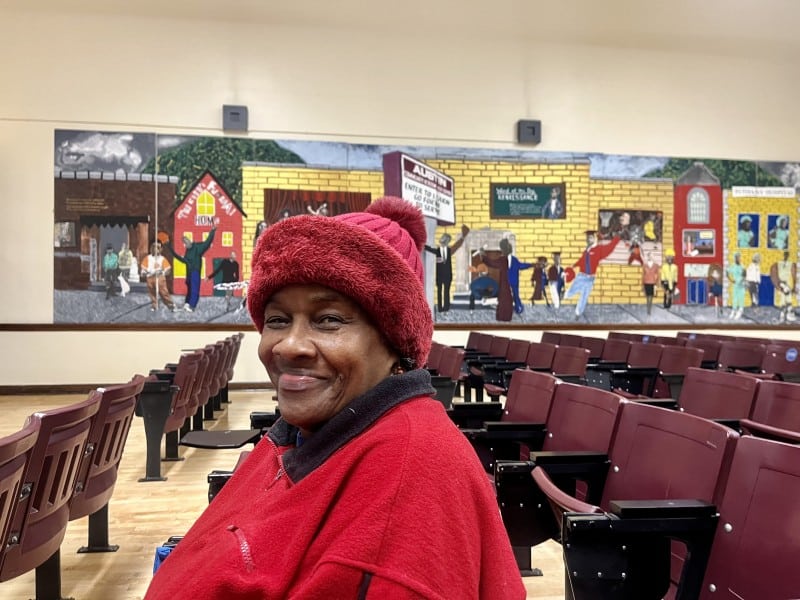
‘If I Don’t Speak Up, Who Will?’
Catherine Jones, 67, is still advocating for students after all these years
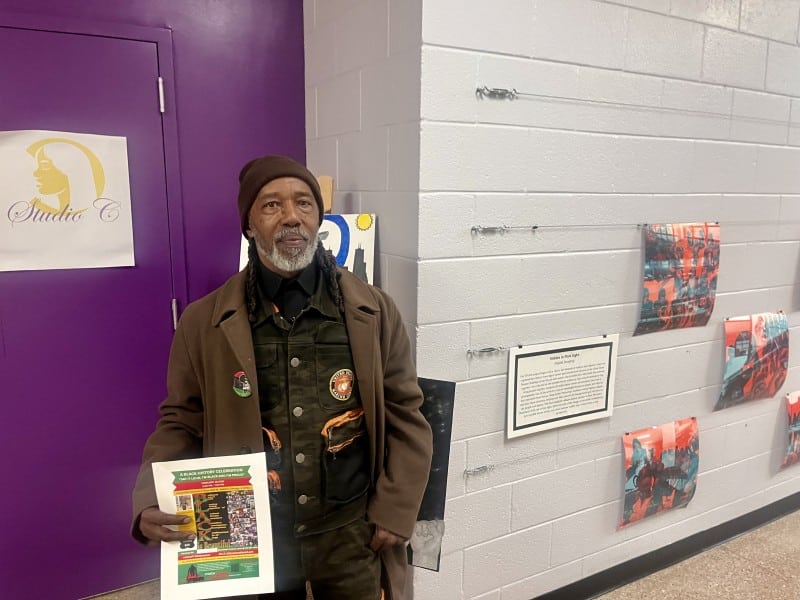
‘Let Me Share a Poem About a Brotha We All Know’
Jason Ferguson, Marshall High’s Last Track-And-Field Medalist, Fuses Sports and Black History
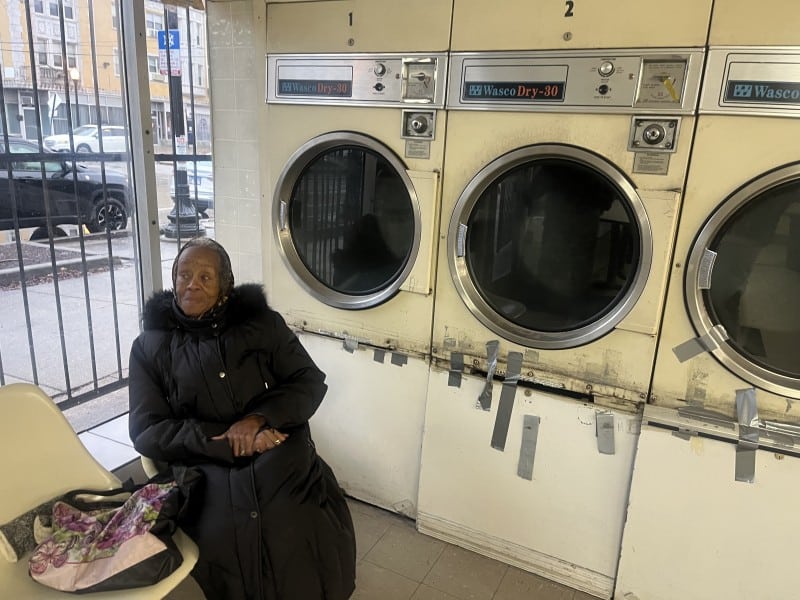
Ellen Jones, 85, at the Laundromat of African American History
The steward of Budget Wash in Austin spends most of her days working within the laundromat’s history-laden walls