
Rory Hoskins
Rory Hoskins’ full response to a questionnaire submitted by The Culture and the Westside Branch NAACP
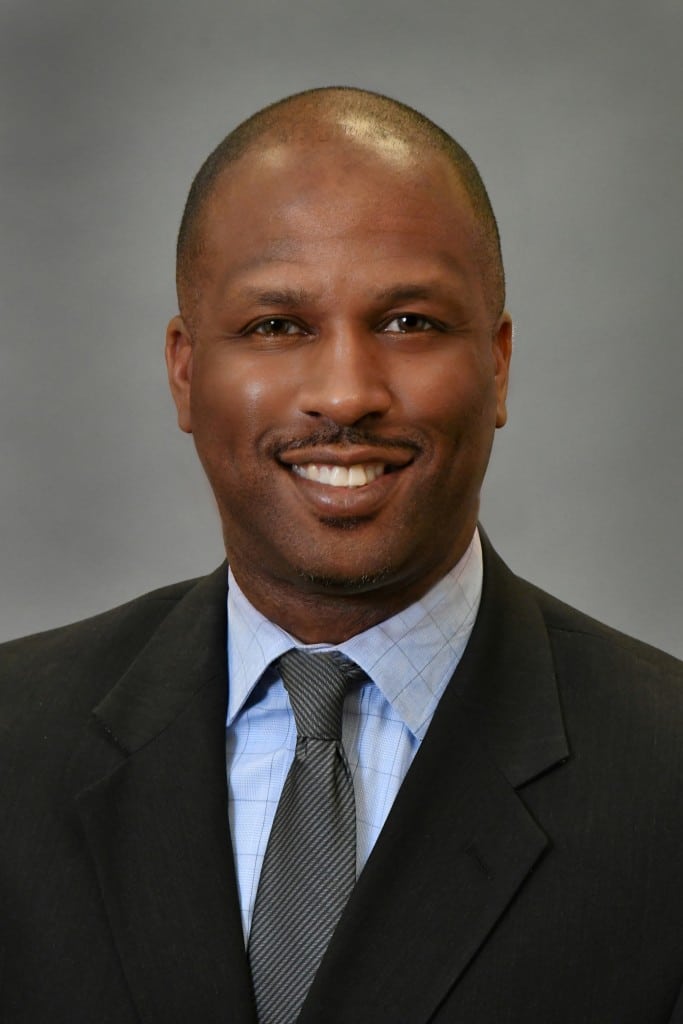
Full Name (as it will appear on the ballot)
Rory Hoskins
Party affiliation
Democrat
How can people learn more about your campaign?
What do you believe this office is actually responsible for—and what is it not responsible for? How would that understanding guide your decisions if elected?
The member of Congress is responsible for securing funding for priorities to make this district better and a place of opportunity for the people who live here. This role is also one that is the elected voice in Washington for the people that live here. If elected I will use this understanding of my role to guide my decisions in DC. I will also work to build bridges for the purposes of passing bipartisan legislation. I believe that when policy has broad support, it is more enduring.
Congressman Davis brought decades of seniority and committee access that helped direct federal resources to this district. Without that institutional leverage, what is your concrete plan to compete for federal funding—especially in the early years of your term?
Although I am an active member of the Democratic Party and have twice been elected as a delegate to the Democratic National Convention, I serve in Forest Park as mayor in a community where I am elected on a non-partisan basis. Our board includes commissioners who are not Democrats. The work that we have done to improve Madison Street and our Roosevelt Road corridor was achieved with votes from local officials who identify with both of the two main political parties . When Forest Park adopted Juneteenth as a local holiday it was a unanimous, bipartisan vote. When Forest Park adopted fair contracts that were negotiated in good faith with union represented work groups, the votes were unanimous and bipartisan. When we adopted the “Pay Equity” reforms in 2022, so that women serving as department heads were paid as much as their male colleagues, it was a bipartisan act. And finally, when we passed an antinepotism policy in 2019, it was done in a bipartisan manner.
Washington is undergoing major changes in how federal education policy is administered, including significant restructuring of the Department of Education, shifts in grant administration, and ongoing legal disputes over Title IX enforcement. These changes have real consequences for local school districts. If elected, how would you help constituents understand what is changing—and what responsibility do you believe Congress has to intervene when executive actions may conflict with congressional intent or existing law?
I will immediately offer legislation to re-establish the Department of Education. Congress has to be thoughtful in providing a record of legislative intent that makes it impossible for a despot to unilaterally dismantle the Department of Education or other important federal agencies. The Department of Education provides funding for important services offered by CPS and other school districts serving large numbers of low income families and families with children who learn differently.
Both parties’ House leaders—Democratic Leader Hakeem Jeffries and Speaker Mike Johnson—operate under intense scrutiny and internal debate about strategy, effectiveness, and governance. As a prospective new member of Congress, how do you evaluate party leadership, and under what circumstances would you support or oppose your party’s leaders?
If elected I will go to Congress and be an active and enthusiastic member of my party’s caucus. At the same time I will use my experience working across the aisle as and when appropriate. I will go there to stand with our leaders, but ultimately I work for the people of my district, and that will always be my North Star.
On the West Side, there’s a critical need for affordable housing. Will you cosponsor and actively whip support for the Neighborhood Homes Investment Act (H.R.2854) to finance rehab/ownership in disinvested neighborhoods—and what specific guardrails would you demand so it prevents displacement rather than accelerating speculation and gentrification?
I will work with colleagues to mix the reform of housing policies with the reform of immigration. Congress must address immigration without creating resentment among Black communities that have suffered for hundreds of years of disinvestment and redlining. I recently attended a presentation on homelessness that shone the light on “Urban Renewal” as a root cause of the housing shortage. Finally, Congress must be intentional about assessing the need for housing reform before making the investments. It should be addressed in a bi-partisan package. Congress can impact local zoning through financial incentives.
West Side households get hit hardest when food, utilities, and essentials jump. Would you vote for the Price Gouging Prevention Act of 2025 (introduced as H.R.4528 / S.2321)—and what should count as an “exceptional market shock” where gouging enforcement kicks in?
I would support and vote for H.R. 4528, and any other efforts to ensure that Black families on the West Side can affordably secure the essentials that they need to live. I agree with and support the definition of an “exceptional market shock” as defined in the bill.
One major Democratic voting-rights agenda item is restoring/modernizing Voting Rights Act protections through the John R. Lewis Voting Rights Advancement Act of 2025 (H.R.14 / S.2523). Would you support this?
I support passage of the John Lewis Voting Rights Act, and any efforts to make voting easier such as same-day registration and mail-in ballots. In Congress we need to show the kind of leadership that inspires people to hold voting as a right worth defending, rather than simply a privilege. My time serving as mayor has provided a platform to demonstrate my values and principles, and one of them has conflict resolution. I have done work in an organization called Strong Cities Network, where they train local leaders to connect with their local residents for the purposes of countering hate and extremism. I have learned strategies to meet people where they are, to lower vitriol and have conversations about the real issues that they face. It is by facilitating conversations like that this will help us all collectively move towards collaboration and community, which protects us from those who work to tear us apart through hate and misinformation.
What is your understanding of the SAVE Act and what is your position on the pending legislation?
The SAVE Act is an effort from the White House and Republicans to disenfranchise voters, especially low-income voters and voters of color. I will do everything I can to oppose and fight passage of this bill, and any other efforts to make voting harder for people.
Many West Side leaders argue violence reduction requires poverty reduction and local investment, not just enforcement. What federal funding streams would you expand or protect for community violence intervention, trauma services, and youth employment—and how would you measure success in IL-7 beyond arrest stats?
Economic Mobility is one of the most pressing issues in our district. Economic mobility for many in the District depends on sustained, intentional economic development and reinvestment in our transit systems. I have a plan to address these topics for the benefit of residents in the 7th Congressional District. Investments in our Transit systems will be key to our economic growth, which in turn creates safer neighborhoods and better outcomes for residents. Reliable transit is the backbone of economic freedom and opportunity across the district. In Congress, I’ll fight to secure dedicated federal funding for safer, more equitable transit by supporting community-based safety strategies, improved shelters, accessible platforms, and increased service frequency. I’ll work to advance fare equity through initiatives such as free or subsidized transit for students, seniors, and essential workers, ensuring mobility is a right, not a luxury.
Would you support the George Floyd Justice in Policing Act of 2025 (H.R.5361), and which provisions matter most to you (qualified immunity standards, national misconduct registry, DOJ “pattern or practice” power, training requirements)?
I support passage of the George Floyd Justice in Policing Act of 2025, re-introduced by Rep. Glenn Ivey.
Related Articles
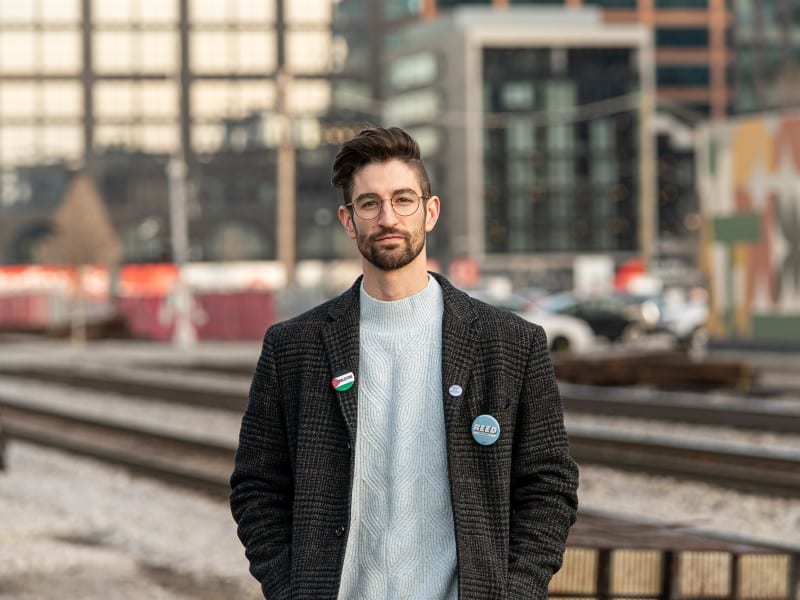
Reed Showalter
Reed Showalter’s full response to a questionnaire submitted by The Culture and the Westside Branch NAACP
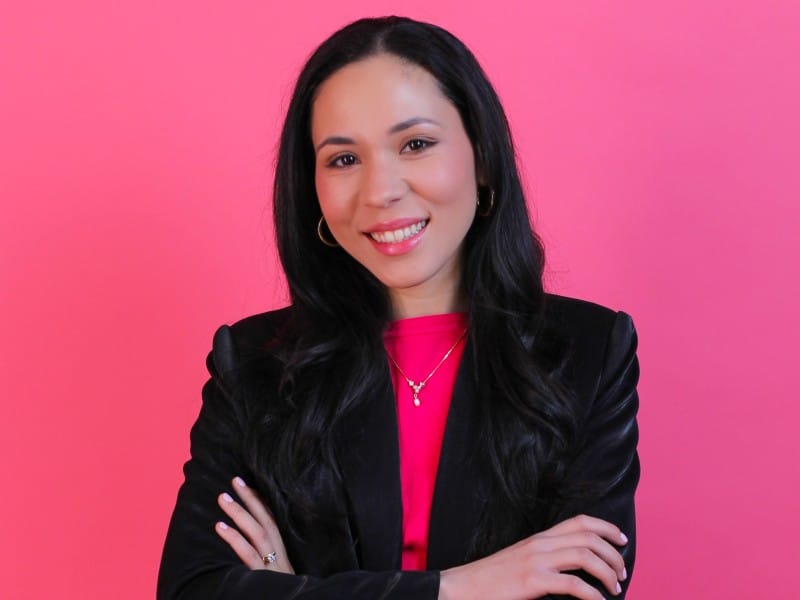
Anabel Mendoza
Anabel Mendoza’s full response to a questionnaire submitted by The Culture and the Westside Branch NAACP
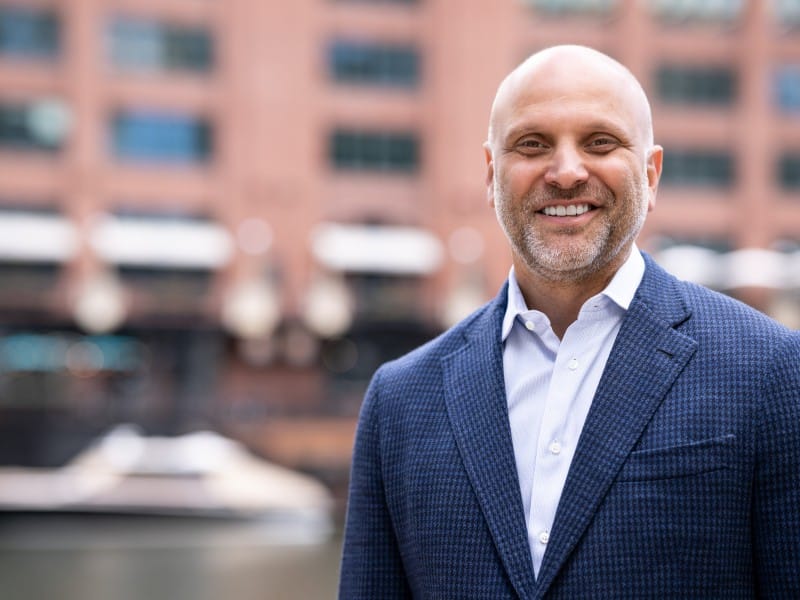
Jason Friedman
Jason Friedman’s full response to a questionnaire submitted by The Culture and the Westside Branch NAACP