
Mayor Brandon Johnson’s Budget Dealt Blow After Failing in Committee, but What’s in It?
The City Council’s Finance Committee vote underscores divisions over head tax, cloud tax hikes, and citywide cost pressures

Mayor Brandon Johnson’s flagship 2026 budget blueprint — branded “Protecting Chicago” — was dealt a sharp rebuke on Nov. 17 when the Chicago City Council Committee on Finance voted 25-10 to reject the revenue package that underpins his $16.6 billion spending plan.
Johnson’s proposal faced fierce opposition for its range of new taxes that largely focus on corporations. The tax proposals include reimplementing a corporate “head tax,” a measure that was in place from 1973 to 2014, when it was phased out by former mayor Rahm Emanuel.
Johnson’s tax would be $21 per employee per month on companies with more than 100 employees (projected at $100 million annually) and steep hikes to the “cloud tax” on software and digital services — all aimed at closing a projected $1.19 billion gap in next year’s budget.
The Johnson administration projects $411 million in savings for 2026, including $101 million from personnel cuts and a hiring freeze on long-vacant positions — though police vacancies will remain, and overtime will be capped. Another $118 million would come from reducing the city’s advanced pension payments. The budget also counts $112 million in “operational efficiencies,” such as trimming vendor contracts, selling vacant land, consolidating real estate assets, and streamlining departments.
Opponents in the Finance Committee signalled that the mayor over-reached, insisting the city must first identify spending cuts and efficiencies before layering on tax burdens. Ald. Brendan Reilly (42nd Ward) warned the head tax would “accelerate our head-first dive into an economic death spiral.”
Johnson and supporters of the mayor’s budget proposal, however, rejected that framing, casting the budget fight as one of values, CSB News reported.
“There’s still only one clear choice here, for us, and that’s to pass a budget that protects the interests of working people,” Johnson said. “There are obviously some members of City Council that are more interested in protecting corporations. They have not provided an alternative proposal to my budget, and that’s why we’re going to extend the time so that they have the time to offer up something. There are not any magic third options between cuts to core services and layoffs and revenue. Anyone who wants to pretend otherwise is being disingenuous.”
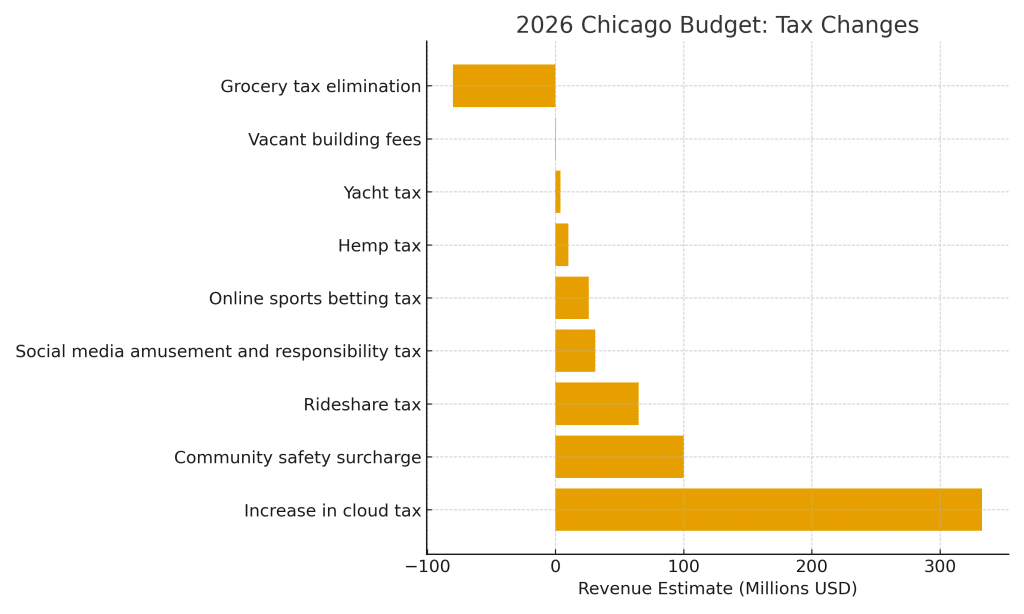
During Monday’s Finance Committee meeting, West Side Ald. Jason Ervin (28th), a supporter of the proposed budget, echoed the mayor’s framing.
“At the end of the day, this comes down to a value question,” Ervin said. “Everybody wants to get to heaven, but nobody wants to die. It’s ever so true. It also goes back to a point in the book of Joshua, which says, ‘Pick ye this day whom you will serve?’ Are we going to serve residents of the city or folks Downtown? Are we going to help Google or grandma? The stock market or the supermarket?”
With the committee’s rejection, the budget now returns to negotiations and faces a steeper path to passage. The vote marks a rare defeat for a mayor’s budget revenue package in committee — a blow that underscores shifting power dynamics at City Hall and signals that Johnson will need to recalibrate if he hopes to secure the 26 votes needed in the full council.
What’s Next?
- Budget staff will return to the table with aldermen to explore revised options — deeper spending cuts, alternative revenue sources, or narrower tax increases.
- Time is tight: the city must adopt a full 2026 balanced budget by the end of the year. Delay risks increased borrowing, credit-rating pressure, and service uncertainty.
- If agreement stalls, the city could revert to a short-term stopgap budget or continue discussions into December, continuing the pattern of late-year budget drama.
Related Articles

Illinois Restoring Full SNAP Benefits After Shutdown Ends
All recipients expected to receive November aid by Nov. 20
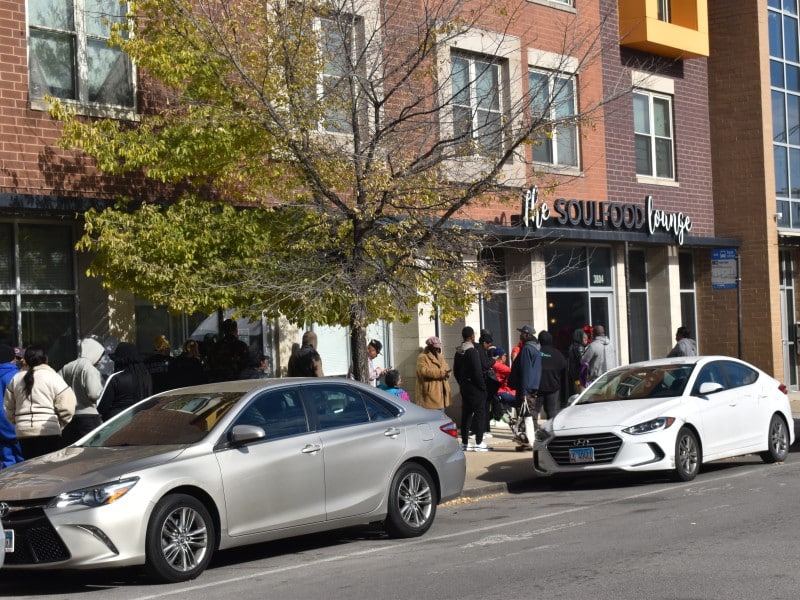
As SNAP Funds Fray, West Siders Mobilize to Keep Food Flowing to Those in Need
With benefits cut and stolen, neighbors are finding new ways to feed one another—from overextended pantries to restaurant kitchens turned community tables

Illinois Lawmakers Pass Clean Slate Act to Automatically Seal Eligible Criminal Records
New legislation could automatically seal millions of old Illinois criminal records — giving people a fairer shot at jobs, housing, and stability