
Jill Bush
Jill Bush’s full response to a questionnaire submitted by The Culture and the Westside Branch NAACP
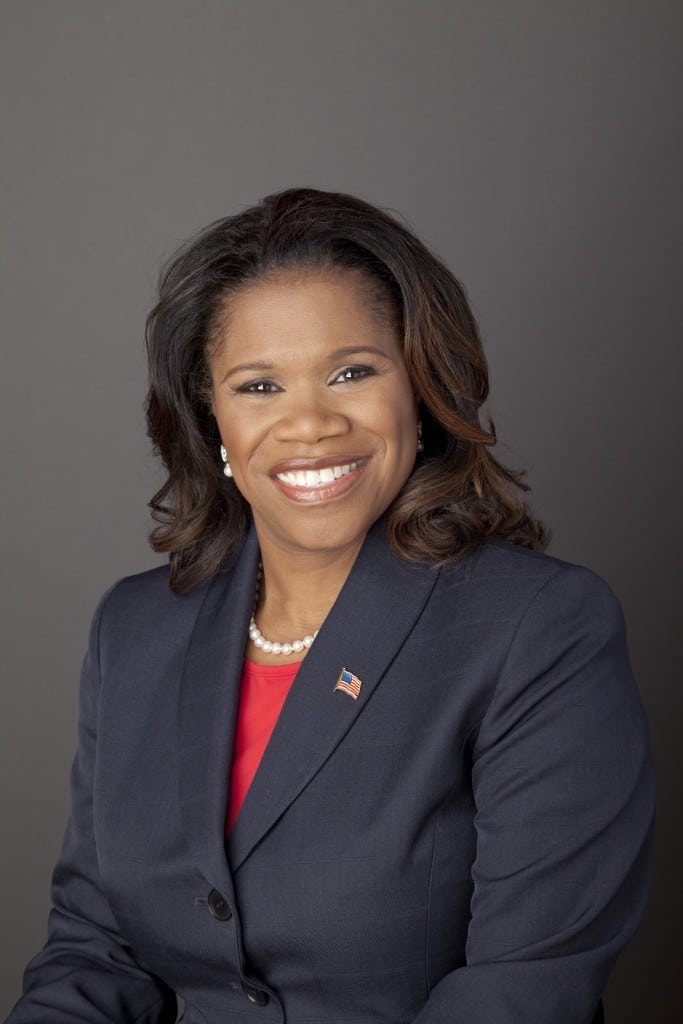
How can people learn more about your campaign?
What do you believe this office is actually responsible for—and what is it not responsible for? How would that understanding guide your decisions if elected?
This office is responsible for enacting state laws, approving the state budget, and providing services to constituents. Operating from both Springfield and district offices, they research legislation, conduct hearings, and advocate for local community interests. Responsibilities include drafting, debating, and voting on bills to create or change state laws; passing the annual state budget and overseeing state expenditures; acting as a liaison between residents and state agencies; reviewing state agency performance and, if necessary, initiating impeachment proceedings for executive or judicial officials. Local district offices hold meetings, provide assistance, and stay connected with community issues. My decisions would be guided based on fulfilling these responsibilities.
Rep. Ford brought decades of seniority and committee access that helped direct state resources to the 8th District. Without that institutional leverage, what is your concrete plan to compete for state funding—especially in the early years of your term?
I’ll connect with experienced legislators to learn and navigate the legislative process effectively, respecting legislative processes and ethics codes and building relationships with colleagues from both parties to foster trust for any future negotiations. I’ll build strong, trust-based relationships with fellow freshmen navigating these same challenges, and with nonpartisan researchers, legislative attorneys, and fiscal analysts for help with understanding policy impacts, and navigating technicalities, prioritizing committee work, focusing on those with jurisdiction over my priority issues. I’ll be active in hearings, read bills in advance, and become a reliable, informed voice, using data from legislative staff, research organizations, and state agencies to provide evidence-based, reliable information that establishes me as a knowledgeable policymaker.
Rising property tax burdens continue to strain West Side homeowners, contributing to displacement and housing instability. What specific state laws or reforms would you champion regarding property tax assessments, appeal processes, and caps on increases—and how would you ensure those laws protect longtime Black homeowners rather than simply delay the problem?
I support, as former Gov. Pat Quinn has proposed, a 3% surtax on income over $1 million to finance property-tax relief. I also support existing property tax relief programs such as the 5% individual income tax credit on primary residence taxes, the Senior Citizens Assessment Freeze Homestead Exemption, and specific, localized grants such as the Cook County Homeowner Relief Fund.
Illinois lawmakers recently approved a budget with millions for housing programs, but advocates say deeper investments are still needed to end homelessness and stabilize families. What line-item increases or statutory changes would you fight for to expand affordable housing, preserve existing Black homeownership, and prevent displacement in West Side neighborhoods?
I support programs like the Chicago Neighborhood Recovery Program and initiatives focused on Stay in Place offers, critical repair, estate planning, and tax assistance to keep residents in their homes. Strategies include using the Troubled Buildings Initiative to rehabilitate distressed, owner-occupied, 1-4 unit buildings; expanding tenant legal representation, mediation, and eviction prevention programs to stabilize households; implementing policies like the Northwest Side Housing Preservation Ordinance to safeguard affordable rental units and protect long-term residents. I would support utilizing the City of Chicago’s inventory of over 10,000 vacant lots to develop new, mixed-income housing, focusing on areas like North Lawndale and West Humboldt Park; empowering Black and Latino developers to lead projects, ensuring development meets community needs, and forming strong, independent community groups to advocate for development that provides benefits to legacy residents.
The Clean Slate Act, which allows for automatic sealing of eligible criminal records, recently passed the Illinois legislature and could clear records for millions, which advocates say will help with employment, housing, and voting access if implemented fully. Do you support the state’s Clean Slate implementation efforts? If so, what oversight or performance measures would you push to ensure equitable outcomes for Black residents returning to the workforce and community?
The Clean Slate Act, which allows for automatic sealing of eligible criminal records, recently passed the Illinois legislature and could clear records for millions, which advocates say will help with employment, housing, and voting access if implemented fully. Do you support the state’s Clean Slate implementation efforts? If so, what oversight or performance measures would you push to ensure equitable outcomes for Black residents returning to the workforce and community?*
Arguments for implementing this act include returning $4.7 billion in lost wages to the economy, reducing the likelihood of re-offending, and helping those who cannot afford to petition for record expungement. Arguments against implementaation include the provision of adequate funding to support the program, reduced transparency for certain background checks, and ongoing issues of discrimination. Framed as a “second chance” law aimed at lowering recidivism and boosting the economy by removing barriers for individuals with minor or nonviolent records, proponents view it as a crucial step in criminal justice reform. I think this Act needs revision and guaranteed funding in order for it to work as planned, and I would not support it in its current form.
Public safety in many West Side neighborhoods remains a core concern, linked to economic opportunity and trauma recovery rather than solely law enforcement. What role should the General Assembly play in funding community-based violence intervention, youth mentorship programs, mental health access, and restorative justice, and how would you measure success beyond arrest statistics?
The General Assembly is responsible for providing services to constituents, staying connected with community issues across the state. Thus, they should work to create, support, and enforce such programs, which requires combining quantitative data (attendance, GPA, survey scores) with qualitative evidence (interviews, focus groups, success stories) to assess outcomes like social-emotional growth, academic improvement, and reduced delinquency. Key metrics include program quality indicators, participant connectedness, and long-term behavioral changes. Best practices for evaluation might be based on the specific goals of the program, taking community-level factors, such as local crime rates or poverty levels into account; actively involving youth in the evaluation process to ensure metrics are relevant and meaningful to them, and using data collection methods that are inclusive and account for diverse backgrounds.
Illinois is debating education funding and school equity, including protections for underserved students and ensuring full access to programs like special education. How would you vote on education funding reforms that directly affect resource allocation for Chicago Public Schools serving large Black student populations, and what accountability standards would you insist upon?
I would in general vote for funding that affects resource allocation for ChicagPublic Schools serving large Black student populations, insisting on continuously updated records for number of Black teachers retained and number of Black male educators hired, to insure preset goals were being met. I would require regular and continuous updates on specific comprehensive, culturally responsive school supports, incluging their effect on students in these schools.
State representatives have significant power over appropriations, committee decisions, and constituent services. If elected, how will you regularly report outcomes back to West Side residents, include community voices in your policy priorities, and what specific measurable goals will you set for your first term (e.g., housing units created, tax relief enacted, jobs funded)?
I will regularly report the activities undertaken on my constituents’ behalf, using a community newsletter, town hall meetings, small group discussions, and direct outreach via newspaper columns, in-person meetings, and my website. Measurable goals I intend to set for myself will include decreasing significant gaps in healthcare, education, and economic opportunities across the district; safety of riders on public transportation, particularly amid a $1.5 billion funding crisis facing the Regional Transportation Authority; reduction in gun violence, and increases in housing opportunities.
Transit funding and infrastructure are essential to West Side economies and access to jobs. A recent legislative package included regional transit authority funding and other transit provisions. How would you ensure that state transit policy and funding decisions reflect the needs of West Side communities—such as service frequency, affordability, and safety—rather than prioritizing suburban or revenue-generating routes?
We need to shift performance metrics from fares collected to access to opportunity, service frequency, and reliability. Funding should be allocated based on a community’s need for transit access to jobs, healthcare, and education., prioritizing funding for the “bus-heavy” needs of urban residents, ensuring high-frequency, all-day service on key bus routes. Implement subsidized fare programs for low-income residents, seniors, and disabled individuals, moving away from flat-rate fares that disproportionately burden lower-income riders. Focus on transit-supportive development that brings housing and jobs to the West Side rather than just connecting residents to downtown, and invest in infrastructure, including street lighting, sidewalks, and crosswalks near bus and rail stops to improve safety, particularly in communities with high rates of traffic injuries.
Lawmakers passed the Prescription Drug Affordability Act in 2025, aimed at lowering drug prices by regulating pharmacy benefit managers. Do you support this law, and what additional state measures would you vote for to reduce healthcare costs and expand access to preventive care, especially for chronic conditions disproportionately affecting Black residents?
I support this law, and would vote to implementing full Medicaid expansion, which benefits Black residents, increases access to primary care, reduces mortality rates, and provides coverage for chronic conditions; vote for funding to increase the number of Black phsicians and specialists, and vote to pass legislation that mandates private insurance and Medicaid cover preventive services. I would address racial disparities in maternal care, require standardized collection of data on race, ethnicity, and language to identify disparities, and work for mandatory implicit bias training for healthcare providers to reduce discrimination.
Related Articles
Chicago Outpaces Suburban Cook in Primary Turnout Despite Record Early Voting in the Suburbs
Election Day brought isolated polling-place issues but no widespread disruptions, officials said
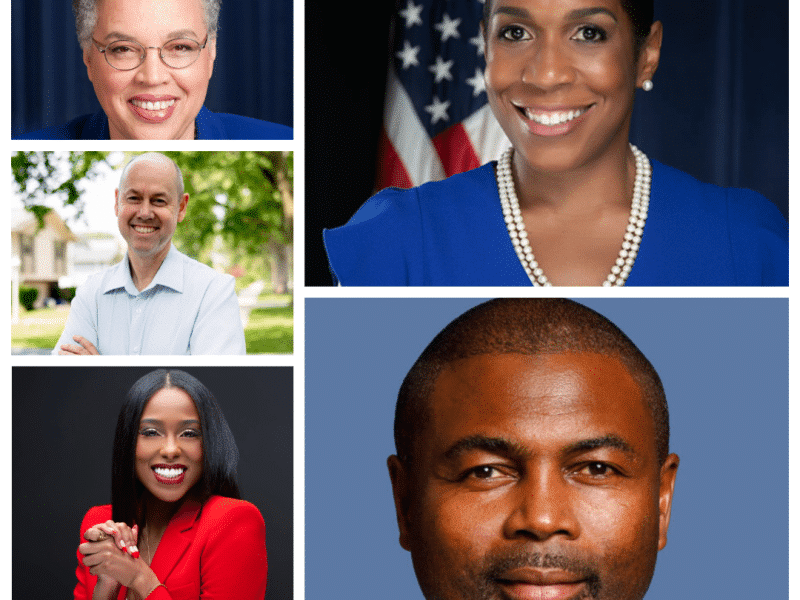
Ford’s Suburban Edge Carries Him Past Conyears-Ervin in 7th District Democratic Primary
Franklin wins Ford’s old House seat; Stratton captures Senate primary as Hynes and Preckwinkle notch major Cook County victories
BALLOT POWER
A nonpartisan voter guide for the Greater West Side created with the help of the Westside Branch NAACP