
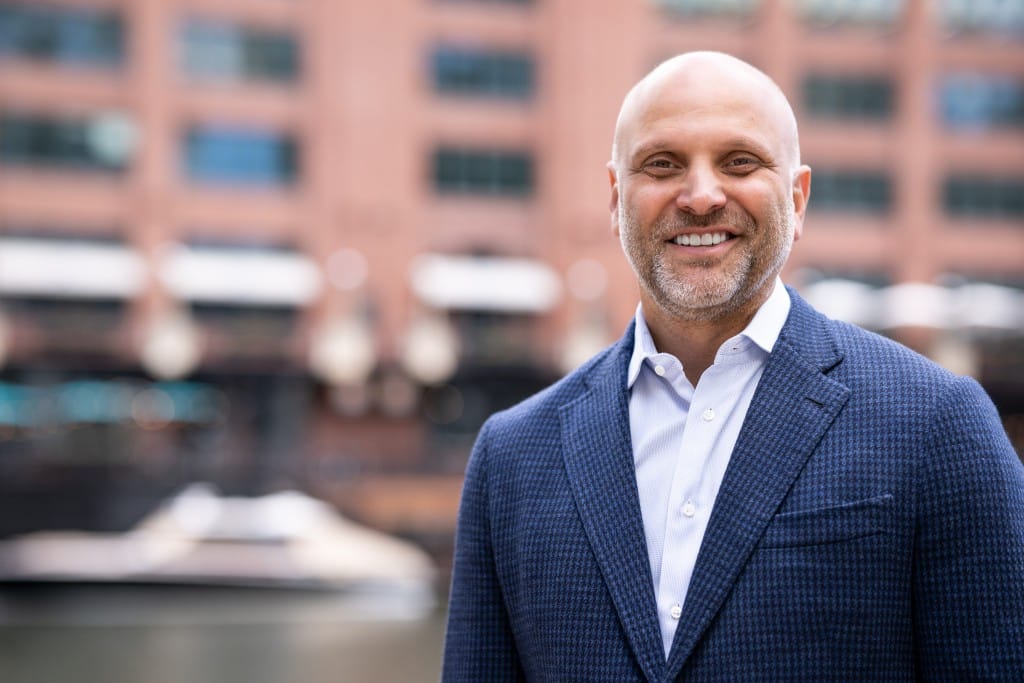
Jason Friedman
Jason Friedman’s full response to a questionnaire submitted by The Culture and the Westside Branch NAACP
Full Name (as it will appear on the ballot)
Jason Friedman
Party affiliation
Democrat
How can people learn more about your campaign?
What do you believe this office is actually responsible for—and what is it not responsible for? How would that understanding guide your decisions if elected?
As Congressman, I advocate for my constituents through legislation, appropriation, and reliable constituent services. Across the district, I hear the same three issues repeatedly: affordability, public safety, and quality education. My focus would be on using federal tools to lower costs, invest in communities, and expand opportunity. That means restoring funding for programs families rely on, like SNAP and Medicaid, creating good-paying jobs, and encouraging equitable economic growth. On public safety and education, Congress plays a crucial role by providing resources, setting standards, and supporting local solutions. I would focus on delivering meaningful federal investment in violence prevention, infrastructure, and public schools so local leaders have the tools they need to succeed. If elected, I would lead with a clear sense of what this office can do and a commitment to use that power responsibly, consistently, and in partnership with the people and communities I represent.
Congressman Davis brought decades of seniority and committee access that helped direct federal resources to this district. Without that institutional leverage, what is your concrete plan to compete for federal funding—especially in the early years of your term?
Winning federal resources for the 7th District requires strategy, persistence, and experience. First, I will pursue strategic committee assignments, particularly Energy and Commerce and Transportation and Infrastructure, that oversee health care, infrastructure, environmental, and transit funding. Second, I will leverage the institutional knowledge I gained as a lawyer in the White House and on Senator Durbin’s Judiciary Committee. Later, as Government Affairs Committee Chair for the Jewish United Fund – a health and human services organization serving over 500,000 people of all faiths – I lobbied in Washington, D.C. for the West Side’s Mt. Sinai Hospital. I advocated across the aisle for safety-net hospitals. Navigating health care politics taught me that lasting change requires bipartisanship. Finally, I will pair advocacy with strong constituent services, identifying recurring needs that inform legislation. I will win federal resources with determination and coalition-building.
Washington is undergoing major changes in how federal education policy is administered, including significant restructuring of the Department of Education, shifts in grant administration, and ongoing legal disputes over Title IX enforcement. These changes have real consequences for local school districts. If elected, how would you help constituents understand what is changing—and what responsibility do you believe Congress has to intervene when executive actions may conflict with congressional intent or existing law?
Rapidly changing federal education policies have created chaos for school districts, educators, students, and families. As Congressman, I will effectively communicate those changes and their impacts. My office will be a reliable source of clear guidance, with legislative staff providing updates for school districts and parents on administrative changes, Title IX resources, and Department of Education changes. My constituent services team will be the boots on the ground operation, ensuring no schools are left wondering if they will be able to provide free lunch, afterschool care, or mental health services. Congress also has the responsibility to act when executive actions conflict with congressional intent or existing law. The Department of Education is governed by statute, and significant changes to its structure or enforcement authority cannot be made unilaterally. Congress is obligated to use its oversight and budget authority to hold the executive branch accountable.
Both parties’ House leaders—Democratic Leader Hakeem Jeffries and Speaker Mike Johnson—operate under intense scrutiny and internal debate about strategy, effectiveness, and governance. As a prospective new member of Congress, how do you evaluate party leadership, and under what circumstances would you support or oppose your party’s leaders?
As Congressman, I would evaluate leadership based on results, transparency, and their ability to advance policies that serve constituents, not special interests. Leadership will earn my support by demonstrating clear priorities, fostering collaboration, and enabling me to effectively deliver for their districts. I would support party leadership if and when they advance policies that meaningfully address my constituents’ needs, restore the institutions Trump has destroyed, and promote bipartisan accountability. I would not hesitate to oppose leadership if their decisions impede my ability to deliver for the communities I represent. My approach would be pragmatic and principle-driven. I would work with party leaders to achieve results, while maintaining independence and sole accountability to my constituents. My focus is on ensuring that Illinois’ 7th District has a strong voice in Washington, and that party strategy never comes at the expense of the people I am elected to serve.
On the West Side, there’s a critical need for affordable housing. Will you cosponsor and actively whip support for the Neighborhood Homes Investment Act (H.R.2854) to finance rehab/ownership in disinvested neighborhoods—and what specific guardrails would you demand so it prevents displacement rather than accelerating speculation and gentrification?
Absolutely. Persistent disinvestment – especially on the West Side – has left many neighborhoods in disrepair, while systemic barriers like high interest rates and rising construction costs threaten stability and reduce development. To prevent displacement, I would demand guardrails that prioritize long-term residents: income-targeted eligibility for homebuyers, support for existing homeowners, restrictions on house flipping, and partnerships with local nonprofits and developers. These strategies will help build wealth for communities that have long been shut out. Equitable investment requires building strong, thriving communities. By combining federal support with local expertise, we can ensure that neighborhood development lifts residents up rather than displacing them. With intentional, community-focused policies, we can create vibrant, mixed-income neighborhoods where families can prosper and long-neglected neighborhoods regain the stability and opportunity they deserve.
West Side households get hit hardest when food, utilities, and essentials jump. Would you vote for the Price Gouging Prevention Act of 2025 (introduced as H.R.4528 / S.2321)—and what should count as an “exceptional market shock” where gouging enforcement kicks in?
As Congressman, I would support the Price Gouging Prevention Act of 2025 to protect households, especially on the West Side, from unfair price spikes during emergencies. When companies raise prices on food, water, and medicine during emergencies, they hurt the most vulnerable among us. During extreme natural disasters, massive public health emergencies, severe supply-chain breakdowns, and official federal national emergencies, we must protect against price gouging. The federal government must step in and determine if a corporation has taken advantage of tragedy, when we all should come together to lift each other up, for profit.
One major Democratic voting-rights agenda item is restoring/modernizing Voting Rights Act protections through the John R. Lewis Voting Rights Advancement Act of 2025 (H.R.14 / S.2523). Would you support this?
Yes. I would support the John R. Lewis Voting Rights Advancement Act of 2025 because it strengthens protections that ensure all eligible voters can participate fairly in elections. By preventing discriminatory laws and practices from taking effect, it can increase access to the ballot for historically underrepresented communities, including voters of color, young people, seniors, and people with disabilities. At a time when more and more people distrust our election system, legislation would help maintain confidence in the electoral process by promoting transparency, fairness, and accountability in how elections are conducted. If elected, I would vote to advance this legislation and work to secure broad support for its enforcement so that federal protections are meaningful and effective in safeguarding democracy.
What is your understanding of the SAVE Act and what is your position on the pending legislation?
I strongly oppose the SAVE Act, as it is harmful and unnecessary, despite it being presented as a measure to protect election integrity. It creates needless and burdensome barriers to the ballot. Requiring documentary proof of U.S. citizenship for federal voter registration risks disenfranchising millions of eligible voters, particularly naturalized citizens, seniors, Indigenous people, students, low-income voters, and those without ready access to official documents. It is a myth that noncitizens vote in our elections, so the legislation would only create real obstacles for lawful voters. It is a reprehensible attempt by Republicans to disenfranchise Democratic voters.
Many West Side leaders argue violence reduction requires poverty reduction and local investment, not just enforcement. What federal funding streams would you expand or protect for community violence intervention, trauma services, and youth employment—and how would you measure success in IL-7 beyond arrest stats?
Reducing violence on the West Side requires investing in our communities. I would work to expand and protect federal funding for programs that deliver real results: community violence intervention that connects people at risk with mentors and mediators, trauma services for youth and survivors of violence, and youth employment programs that give young people safe opportunities and pathways to success. The University of Chicago Crime Lab has shown that these programs can meaningfully reduce gun violence while keeping kids in school and supporting families. Success is not measured by the number of arrests. A safer 7th District will show fewer gun injuries and deaths, higher high school graduation and job placement rates for young people, more families accessing trauma support, and improved community perceptions of safety. By tracking these outcomes alongside traditional law enforcement data, we can see what’s working and double down on strategies that actually keep people safe.
Would you support the George Floyd Justice in Policing Act of 2025 (H.R.5361), and which provisions matter most to you (qualified immunity standards, national misconduct registry, DOJ “pattern or practice” power, training requirements)?
I would support the George Floyd Justice in Policing Act of 2025. The provisions that matter most to me are ending qualified immunity for officers who violate constitutional rights, creating a national misconduct registry to prevent repeat offenders from moving between departments, and strengthening the Department of Justice’s “pattern or practice” authority to hold agencies accountable for systemic abuse. I also strongly support clear, enforceable national training standards that emphasize de-escalation, bias reduction, and community engagement. These elements together ensure accountability, restore trust between law enforcement and communities, and make policing safer and more just for both residents and officers.
Related Articles
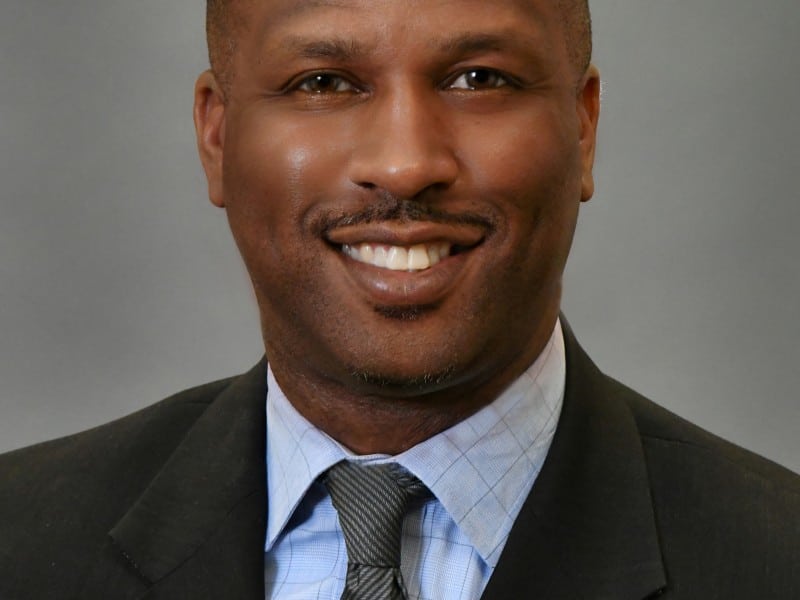
Rory Hoskins
Rory Hoskins’ full response to a questionnaire submitted by The Culture and the Westside Branch NAACP
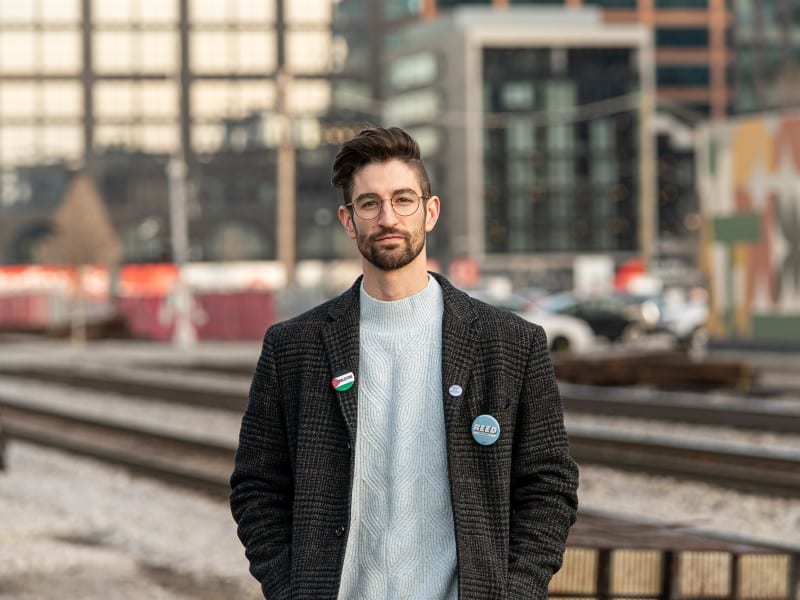
Reed Showalter
Reed Showalter’s full response to a questionnaire submitted by The Culture and the Westside Branch NAACP
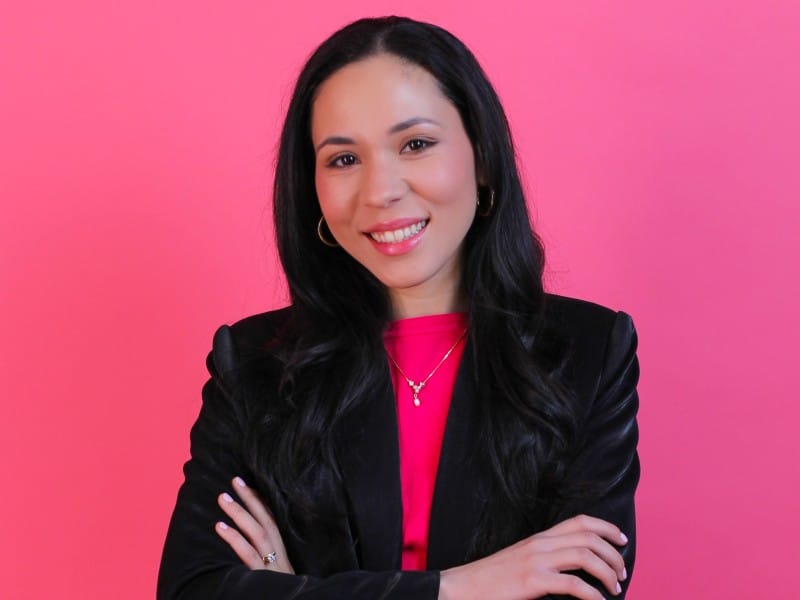
Anabel Mendoza
Anabel Mendoza’s full response to a questionnaire submitted by The Culture and the Westside Branch NAACP