Chicago Outpaces Suburban Cook in Primary Turnout Despite Record Early Voting in the Suburbs
Election Day brought isolated polling-place issues but no widespread disruptions, officials said
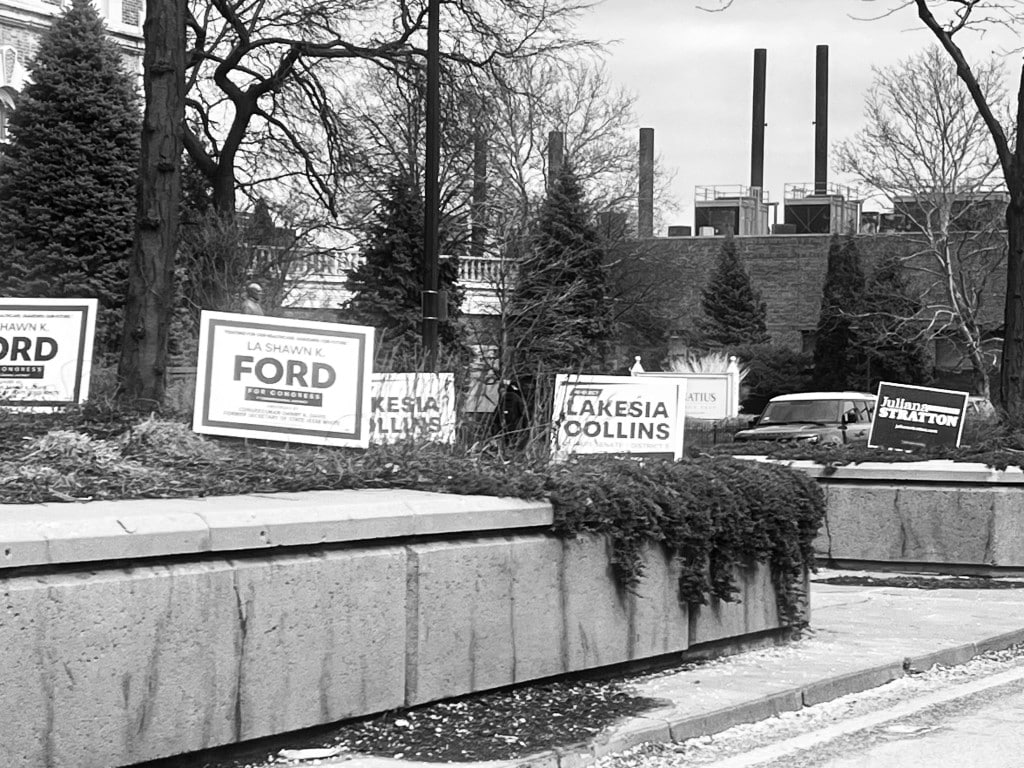
Chicago voters turned out at a noticeably higher rate than suburban Cook County voters in the March 17 primary election, even though suburban officials reported record-breaking early voting before polls opened.
Unofficial results from the Chicago Board of Election Commissioners showed 390,295 ballots cast out of 1.55 million registered voters, for a turnout of about 25%. In suburban Cook County, the Cook County Clerk’s Office reported 312,874 ballots cast out of nearly 1.73 million registered voters, for a turnout of 18%.
The lower suburban turnout came despite a pre-election surge that broke records in recent gubernatorial primaries. By midday Monday, suburban Cook officials said 108,018 voters had already cast ballots in person during early voting, surpassing the previous 2018 gubernatorial primary early-voting record of 107,608. Combined with 58,982 returned mail ballots, more than 167,000 suburban voters had already participated before Election Day.
Cook County Clerk Monica Gordon framed the early participation as a sign of continued voter engagement.
“Voting is the expression of our commitment to ourselves, our community, and our nation as a whole,” Gordon said before polls closed. “The Clerk’s Office has been working hard to ensure every polling place is ready to serve voters on Election Day.”
Her office operated 1,430 precincts serving more than 1.7 million suburban voters.
Election Day itself saw isolated problems but no broad breakdowns.
La Shawn K. Ford, who emerged as the Democratic winner in the 7th Congressional District primary, was initially unable to vote after records at his polling place mistakenly indicated he had already cast a ballot, according to multiple news reports. Ford declined a provisional ballot and was later allowed to vote normally after the issue was corrected.
At Sherman School of Excellence, a South Side polling location, some voters were temporarily turned away after the site ran out of paper ballots. Election officials said additional ballots were rushed to the location while touchscreen voting machines were used to keep voting moving.
Chicago election officials said they detected no systemic irregularities.
The turnout pattern suggests that even with several high-profile open-seat contests — including the race to succeed Danny K. Davis in Congress and the contest for Ford’s 8th District state House seat — participation remained modest by presidential-year standards.
What Happens Before Election Results Become Official?
The vote totals released on election night by the Chicago Board of Election Commissioners and the Cook County Clerk’s Office are considered unofficial until canvassing and certification are complete.
In the days after the election, local election officials review precinct returns, reconcile vote totals, and count ballots that arrive or remain outstanding under state law, including valid vote-by-mail ballots postmarked by Election Day and certain provisional ballots cast by voters whose eligibility required verification.
Election judges and staff also compare poll books, machine counts, and ballot totals to ensure each precinct’s numbers match official records.
Under Illinois election law, county clerks and local election authorities must complete canvassing before forwarding certified totals to the Illinois State Board of Elections, which oversees final statewide certification.
That process typically takes about two weeks, meaning margins can shift slightly even after winners appear clear on election night, though large leads rarely change the outcome.
In close races, campaigns may monitor provisional ballots closely or request further review before certification is finalized.
Related Articles
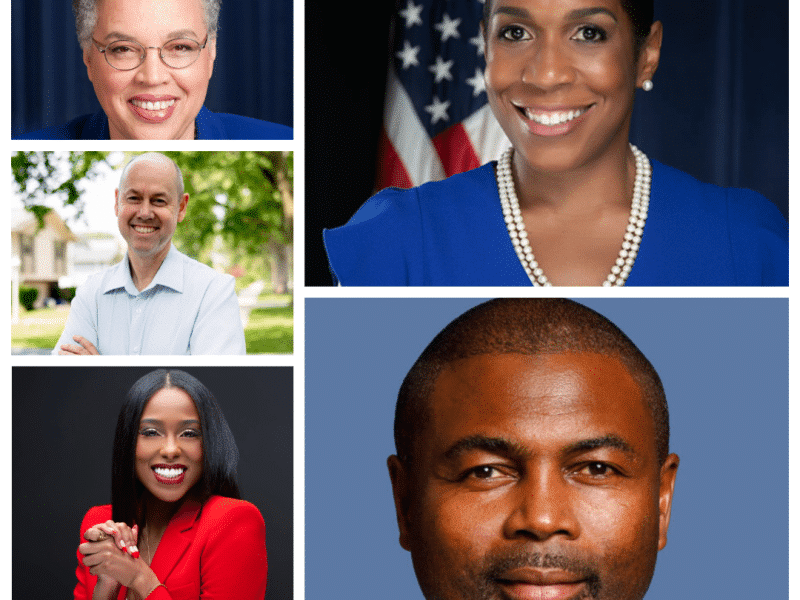
Ford’s Suburban Edge Carries Him Past Conyears-Ervin in 7th District Democratic Primary
Franklin wins Ford’s old House seat; Stratton captures Senate primary as Hynes and Preckwinkle notch major Cook County victories
BALLOT POWER
A nonpartisan voter guide for the Greater West Side created with the help of the Westside Branch NAACP
Meet the Candidates: Their Own Words Ahead of the March 17 Primary
The Culture, in partnership with the Westside Branch of the NAACP, sent questionnaires to candidates running for key offices that will directly shape local life