
Bishop Claude Porter, Clerical Power Broker and Community Builder, Dies at 88
For more than half a century, he fused faith, politics, and social service into a network of institutions that reshaped Chicago’s western suburbs
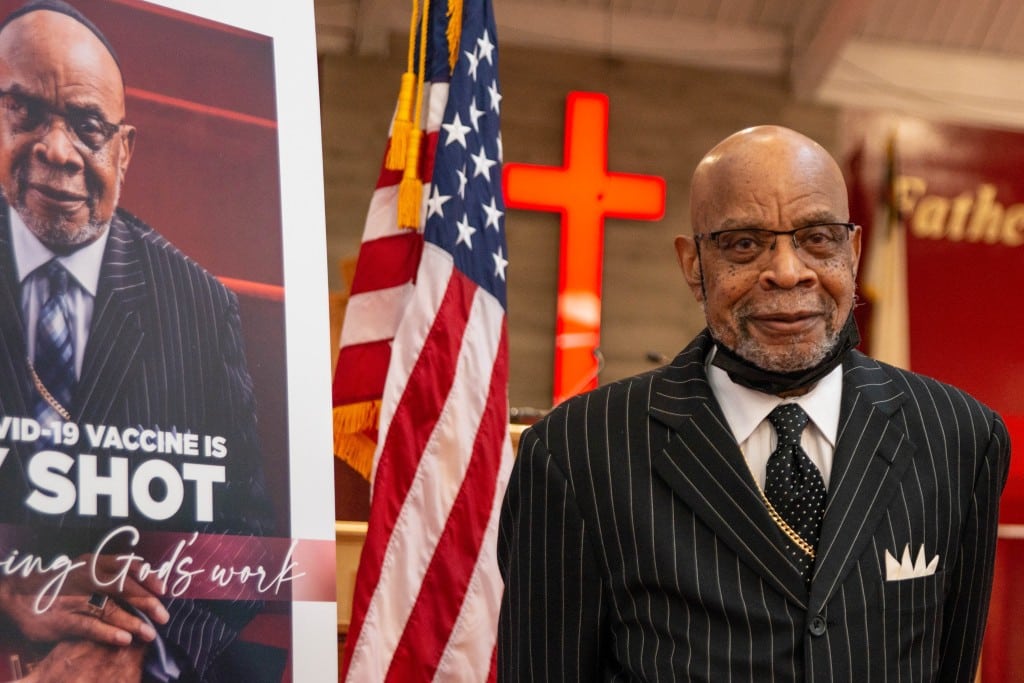
Bishop Claude Porter, one of the Greater West Side’s most well-connected clergymen, whose political and social influence extended well beyond the pulpit, died on Dec. 30. He was 88. The Proviso Leyden Council for Community Action (PLCCA), the Maywood nonprofit Mr. Porter founded in 1975, announced his death on its Facebook page.
For more than half a century, Bishop Porter stood at the intersection of faith, politics, and social service on Chicago’s Greater West Side, quietly shaping institutions that outlived election cycles and transcended denominational lines. He was a pastor, organizer, nonprofit executive, mentor, and coalition builder whose work touched hundreds of thousands of residents in Illinois and across the country.
Born on Jan. 21, 1937, in Memphis, Tenn., the seventh child of James and Corean Porter, Claude Porter grew up in a family already steeped in the Black church’s leadership tradition. His older brother, W. L. Porter Sr., later became a towering figure in the Church of God in Christ, serving as a member of the denomination’s General Board and founding bishop of the Tennessee Central Jurisdiction. His younger brother, David Porter, would become one of the most influential producers and songwriters of the Stax Records era.
Mr. Porter answered the call to ministry in 1960 at Greater White Stone Missionary Baptist Church in Memphis. He moved to Chicago in 1963. By 1965, he was ordained and serving as assistant pastor at Greater Progressive Missionary Baptist Church. In 1972, he founded Proviso Missionary Baptist Church in Maywood, building a congregation that would become one of the area’s most influential religious institutions. He was consecrated and installed as bishop of the church in 2005.
But the pulpit was only one platform. In 1968, amid the turbulence of the civil rights movement and urban disinvestment, Mr. Porter founded the Proviso-Leyden Council for Community Action (PLCCA), which grew into a major regional provider of social services, workforce development, youth programming, housing assistance, and energy assistance.
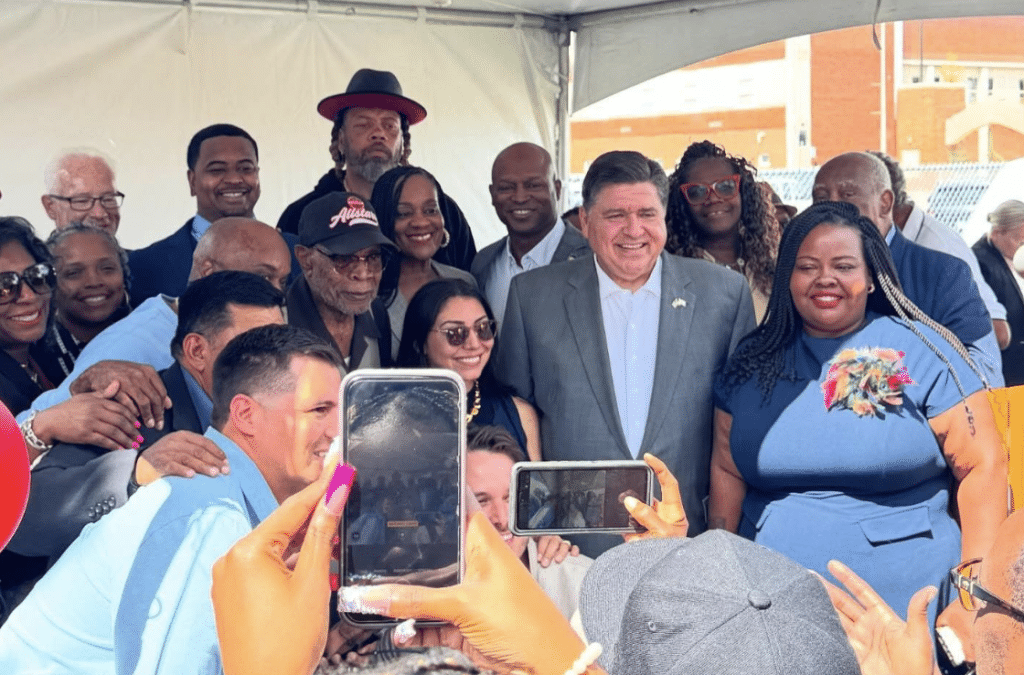
With Mr. Porter at the helm, PLCCA would become an institutional anchor for working-class families across the western suburbs and the West Side. The organization’s reach and political credibility allowed it to function as both service provider and policy advocate — a dual role that made Mr. Porter a fixture in county and state politics for decades.
Illinois House Speaker Emanuel “Chris” Welch, who represented the same 7th District communities Mr. Porter served for decades, called him a personal friend and a foundational leader.
“Through decades of dedication and perseverance, he helped hundreds of thousands of people learn a life of self-sufficiency and independence,” Speaker Welch wrote in a statement he posted on Facebook.
Mr. Porter’s influence extended well beyond nonprofit boardrooms. He was a frequent presence at public rallies, vaccine awareness campaigns, youth initiatives, and policy debates, and was widely regarded as one of the region’s most effective behind-the-scenes coalition builders.
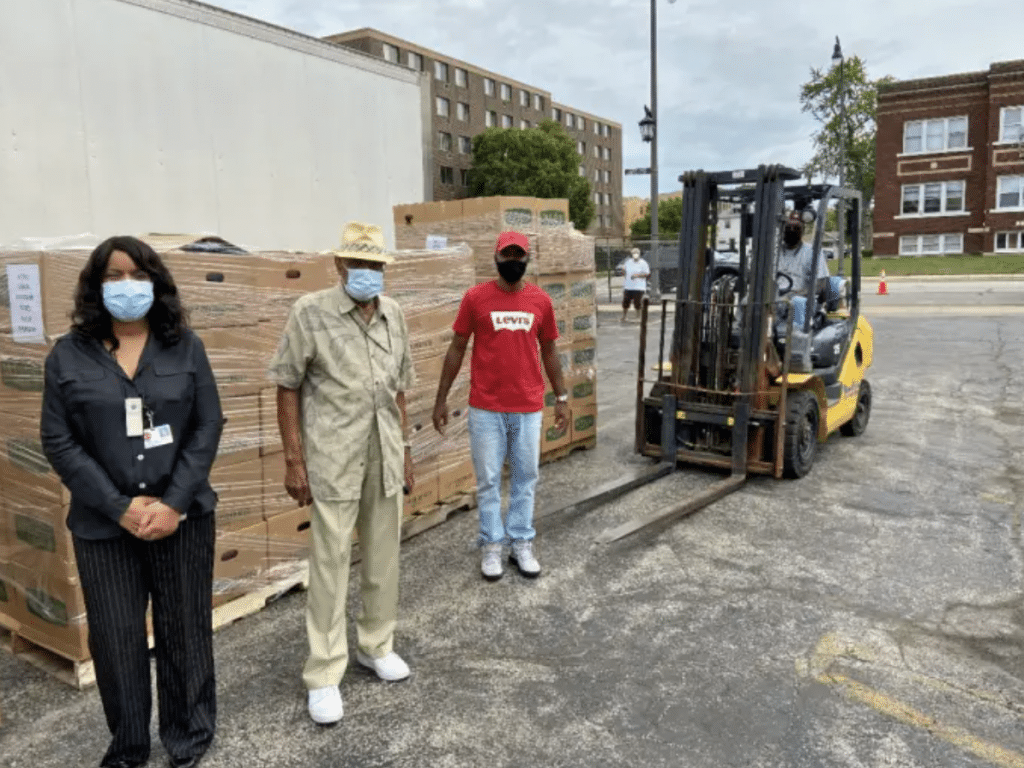
Beyond his work through PLCCA and Proviso Missionary Baptist Church, Bishop Porter helped architect the West Suburbs’ modern faith-based civic infrastructure. He was a founding leader and longtime chairman of Interfaith, a multidenominational coalition of congregations and clergy that became a visible force in regional elections and public life. The group regularly hosted candidate forums and mobilized voters in key races. The Rev. Clay Evans, the late retired pastor of Fellowship Missionary Baptist Church in Chicago, served as Interfaith’s chairman emeritus.
Mr. Porter was also the founder and chairman of the Proviso Township Ministerial Alliance Network (PTMAN), an Illinois affiliate of the International Ministerial Alliance Network, which he helped build into a coordinating body for faith leaders across Proviso Township. He stepped down as PTMAN’s chairman in 2015, turning leadership over to Bishop Reginald Saffo of United Faith Missionary Baptist Church in Maywood, but remained a guiding figure within the alliance as its institutional influence continued to grow.
In 2016, after 44 years in the pulpit, he retired as senior pastor of Proviso Missionary Baptist Church and assumed the title of founder and overseer. That year, the Cook County Board adopted a resolution honoring his career, citing his “innumerable” contributions to improving life for county residents.
In addition to his ministerial and organizing work, Bishop Porter served on numerous civic, health, and nonprofit boards, helping bridge the region’s faith institutions with its medical, business, and public-service sectors. His board service included leadership roles connected to major community health initiatives — among them the shuttered Doctors Hospital of Hyde Park — where he worked alongside elected officials, physicians, hospital executives, and clergy to expand access to screenings, preventive care, and public health education, particularly in Black communities facing disproportionate health risks.
Bishop Porter was married to Earnestine Porter. The couple had three children, seven grandchildren, and 10 great-grandchildren.
Bishop Porter’s nephew, Memphis Bishop Brandon Porter, who, like his father, is a member of COGIC’s General Board, called his uncle “a great community leader and businessman” who mentored many people, including President Obama.
Services for Bishop Porter are scheduled for Saturday, Jan. 10, at First Baptist Church of Melrose Park, 2114 Main St. in Melrose Park. The visitation is from 9 to 11 a.m., while the service is from 11 a.m. to noon. Instead of flowers, the family asks that donations be made to PLCCA Inc. at plcca.org. Resolutions can be emailed to aljohnson@plcca.org or dropped off at PLCCA Inc., 411 Madison St. in Maywood.
Related Articles
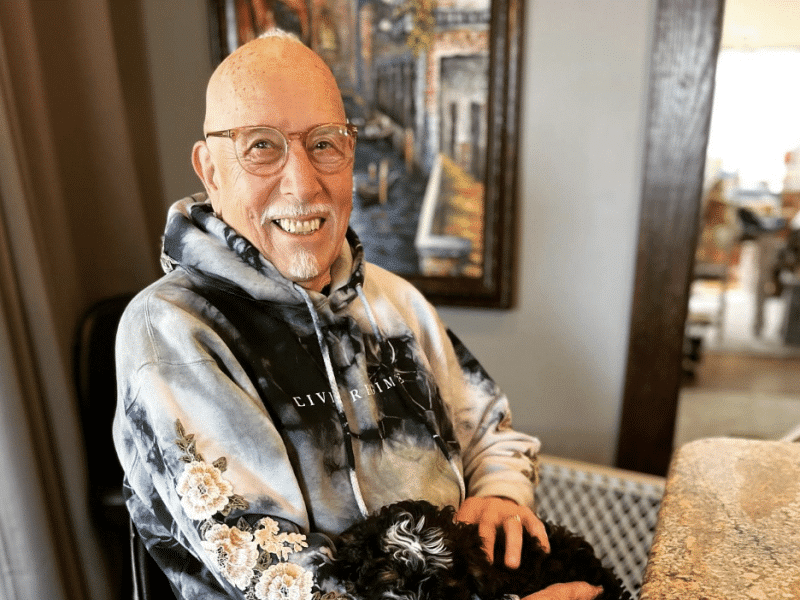
Ernie Baumann, Maywood Arts Champion, Dies at 87
Alongside his wife, Lois, Baumann built Maywood Fine Arts into the premier cultural and arts education nonprofit for Greater West Side youth

From Maywood to Middleburg: Proviso East Students Given Star Treatment at Famous Alum’s Luxury Resort
Six Culinary Arts students recently experienced the inner workings of Maywood native, East alum Sheila Johnson’s five-star Salamander Resort & Spa