
BALLOT POWER
A nonpartisan voter guide for the Greater West Side created with the help of the Westside Branch NAACP
Elections are one of the most direct ways residents shape the future of their communities. Yet in many West Side wards and nearby west suburbs, voter participation remains strikingly low — often well under half of eligible voters in primary elections. When turnout falls, decisions that affect schools, housing, taxes, and public safety are made by a relatively small share of the community.
Ballot Power: A Voter Guide for the Greater West Side is designed to help change that.
This digital guide brings together reporting, analysis, and candidate information to help residents understand what’s on the ballot, why the races matter, and how to participate in the democratic process. It builds on The Culture’s ongoing coverage of voting and civic participation in Chicago and the west suburbs — from explaining the mechanics of registering and casting a ballot, to analyzing turnout patterns across West Side neighborhoods, to examining the high-stakes races that could reshape the region’s political leadership.
Inside this guide, readers will find the fundamentals of voting in Chicago and suburban Cook County — including registration deadlines, early voting, vote-by-mail options, and how to work as a poll worker. You’ll also find an examination of how the Greater West Side voted in the last major primary election, offering a snapshot of participation trends and highlighting the neighborhoods where turnout — and therefore political power — remains most concentrated.
This year’s election cycle carries particular significance. Several key races — including the open contest for the 7th Congressional District seat and competitive state and local offices — could usher in the most significant leadership transition in decades. With long-standing political figures stepping aside and a new generation of candidates competing to define the region’s direction, voters have an opportunity to shape the next chapter of West Side politics.
To help readers navigate these choices, this guide also includes candidate questionnaire responses, interviews with several congressional candidates vying to claim the progressive mantle in the 7th District race, and links to candidate forum videos so voters can hear directly from those seeking office. We also include a letter to the editor from one candidate, reflecting the range of viewpoints shaping this election season.
Our goal is simple: to equip Greater West Side residents with the information they need to exercise their ballot power.
Because democracy works best when the community participates.
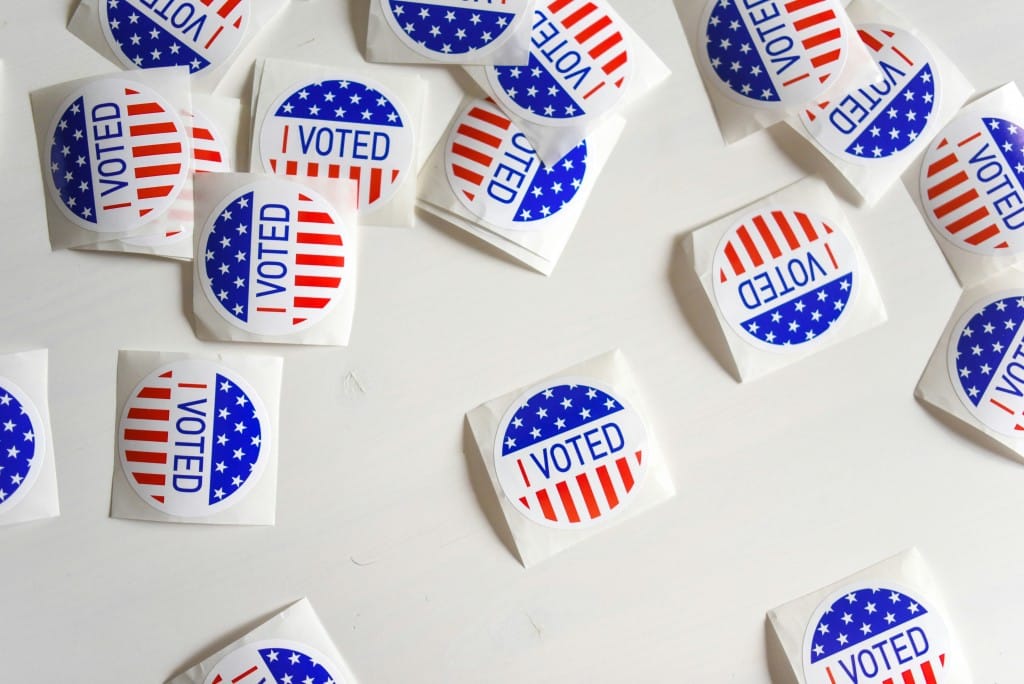
Key 2026 Races to Set Stage for Major Political Change
Voters are poised to elect a new U.S. senator, 7th District congressperson, and 8th District state representative in a historic political moment. Here’s a look at some of the most important races happening in the state that will most impact the Greater West Side.
The Fundamentals of Voting in Chicago and the Suburbs
The websites of the Cook County Clerk and the Chicago Board of Elections tell you everything you need to know to register, vote, and work the polls. There are also key dates to consider and information on accessibility.
How the Greater West Side Voted in the Last Primary Election
In the last major primary election on March 19, 2024 — which included presidential nominating contests along with a range of federal, state, and county offices — turnout remained below 21% in the four West Side wards and several west suburbs in the Proviso Township area that constitute The Culture’s readership footprint.
Meet the Candidates: Their Own Words Ahead of the March 17 Primary
As voters prepare for the March 17 primary election, The Culture, in partnership with the Westside Branch of the NAACP, sent questionnaires to candidates running for key offices that will directly shape life on the West Side and nearby west suburban communities. Those offices included the Cook County Assessor, Cook County Board President, 8th District State Representative, and 7th District Congressperson.
County Assessor Candidates Clash Over Campaign Cash, Assessment Data, and Tax Fairness
A Feb. 11 candidates forum at Collins High School, 1313 S. Sacramento Dr. in North Lawndale, laid bare some of the central dividing lines shaping the race for Cook County assessor, mainly where the candidates are getting their money and contrasting proposals for correcting the inequitable property tax system. The Culture cosponsored the forum alongside the Westside Branch NAACP and other community organizations. You can watch it in full on the Westside Branch NAACP’s Facebook page.
Austin Resident Stands Alone at Cook County Board President Forum
Austin resident and Libertarian candidate Michael Murphy, 32, was the sole participant at a candidate forum for Cook County Board President on Feb. 5 at Collins Academy High School, 1313 S. Sacramento Dr. in North Lawndale, after his two Democratic opponents were absent. The Culture co-sponsored the forum alongside the West Side Branch NAACP and other neighborhood organizations.
State House Hopefuls Draw Lines on Taxes, Pensions, and Public Subsidies
At a Black media roundtable and in written questionnaires, four Democratic candidates vying to succeed 8th District state Rep. La Shawn K. Ford in the Illinois House staked out distinct positions on a range of issues, including the Bears stadium debate, pension reform, and taxation.
OPINION: Eight Schools. One Purpose. Elevating the 8th District.
All candidates are welcome to submitting opinion pieces to The Culture. Shantel Franklin, a candidate for 8th District state representative, reflected on her journey from homelessness to the campaign trail.
Putting the 7th Congressional District Race Into Historical Context
For the first time in about 30 years, the 7th Congressional District will elect a new representative. That alone is monumental, but when you consider the extent of the country’s political fracturing and just how hollowed out the U.S. party system has become, the historic importance of the March 17 Democratic Primary becomes that much more heightened.
The 7th District Congressional Race Looks Like It’s a West Sider’s to Lose
A poll released in early January by Dr. Thomas Fisher, a South Side candidate for the 7th District, showed 8th District state Rep. La Shawn K. Ford, an Austin resident, with 23%, followed by Chicago Treasurer Melissa Conyears-Ervin, of Garfield Park, with 15%, and activist Kina Collins, of Austin, rounding out the top three with 12%. As of March 2, the Fisher poll was the only internal poll that we could find that’s been publicly released, but it’s consistent with other candidates’ internal polling, insiders with multiple campaigns told us.
Four Leading 7th District Candidates Seek To Claim Progressive Mantle
With longtime U.S. Rep. Danny K. Davis stepping aside, the race to succeed him in Illinois’ 7th Congressional District has become, in part, a fight over who gets to claim the district’s progressive mantle — and who can translate that claim into votes in Oak Park, widely viewed as the district’s progressive bastion and often an early indicator of which left-leaning candidate can consolidate broader support.
Related Articles
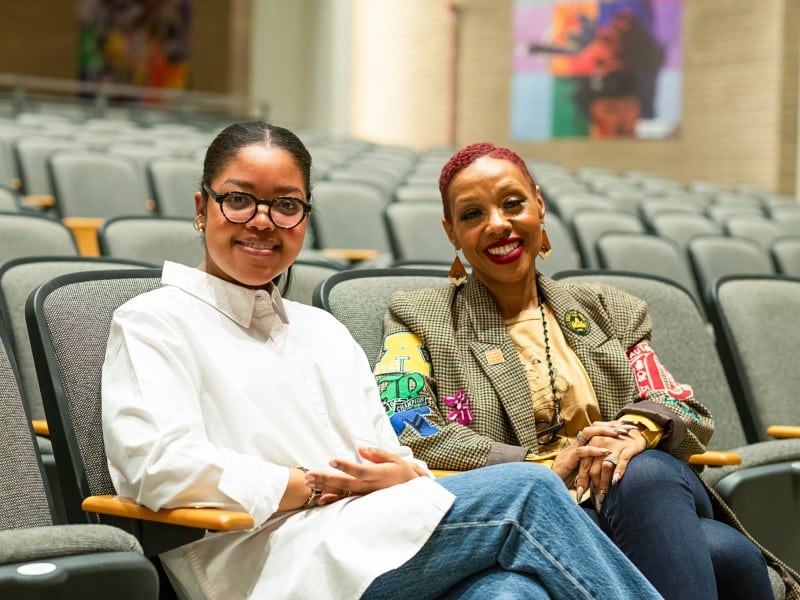
Kindred Civic Arts Forum Opens Women’s History Month With Cole Arthur Riley Conversation in Austin
Author of Black Liturgies and This Here Flesh reflects on Black interior life, spirituality, and emotional survival during a turbulent political moment
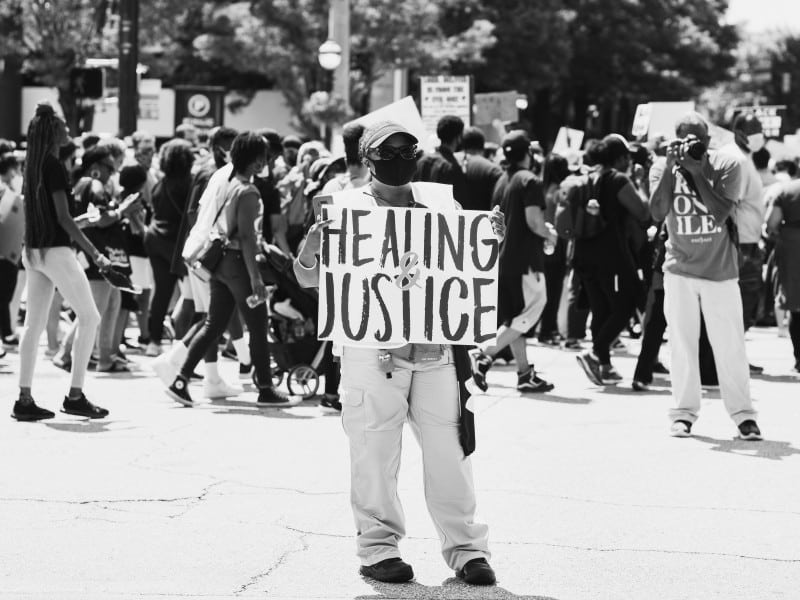
Circle Up Conference to Bring Youth, Educators, and Organizers Together Around Restorative Justice in Austin
March 28 gathering at BUILD will focus on healing, accountability, leadership, and breaking cycles of harm

Four Leading 7th District Candidates Seek To Claim Progressive Mantle
Among the 13 Democratic candidates, Driver, Showalter, Collins, and Ford have captured the attention of Oak Park, the district’s progressive bastion