
A Queen in Garfield Park
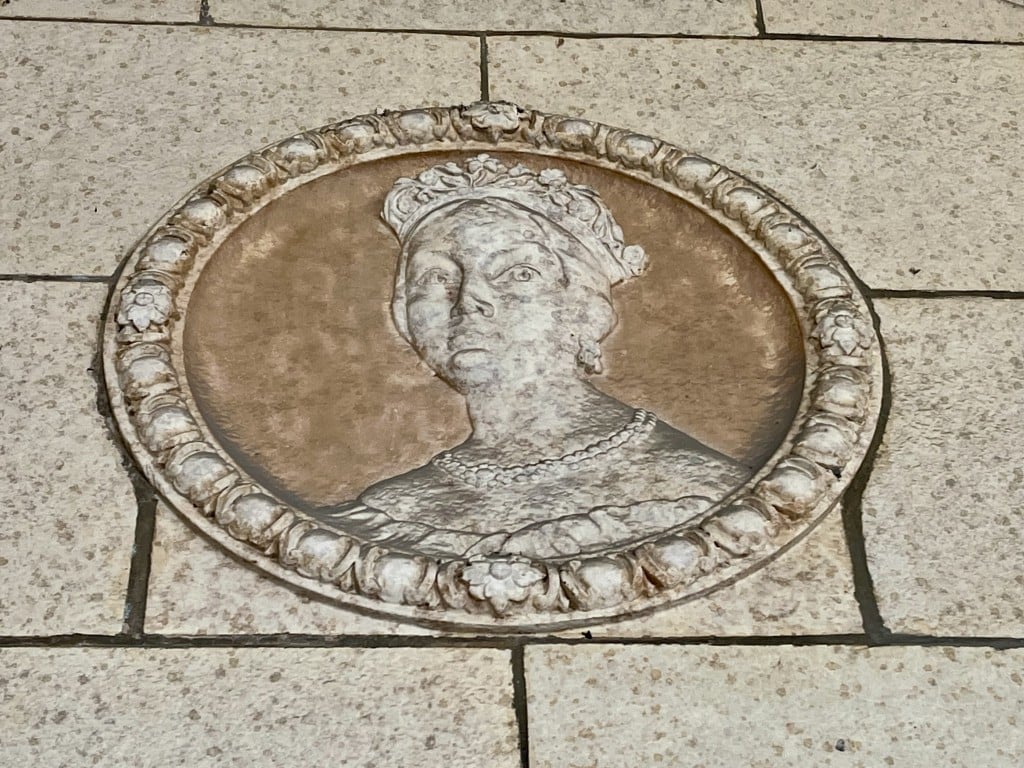
If you’ve ever passed under the Golden Dome, 100 N. Central Park Ave. in Garfield Park, you may have noticed a regal face staring back at you from the stonework.
If you’ve ever passed under the Golden Dome, 100 N. Central Park Ave. in Garfield Park, you may have noticed a regal face staring back at you from the stonework. Set into a round medallion, framed with carved garlands, is the image of a crowned woman in formal dress. She looks out at passersby with a stony gaze, her jewelry and crown signaling royalty.
But what is a European queen doing on the side of a West Side fieldhouse?
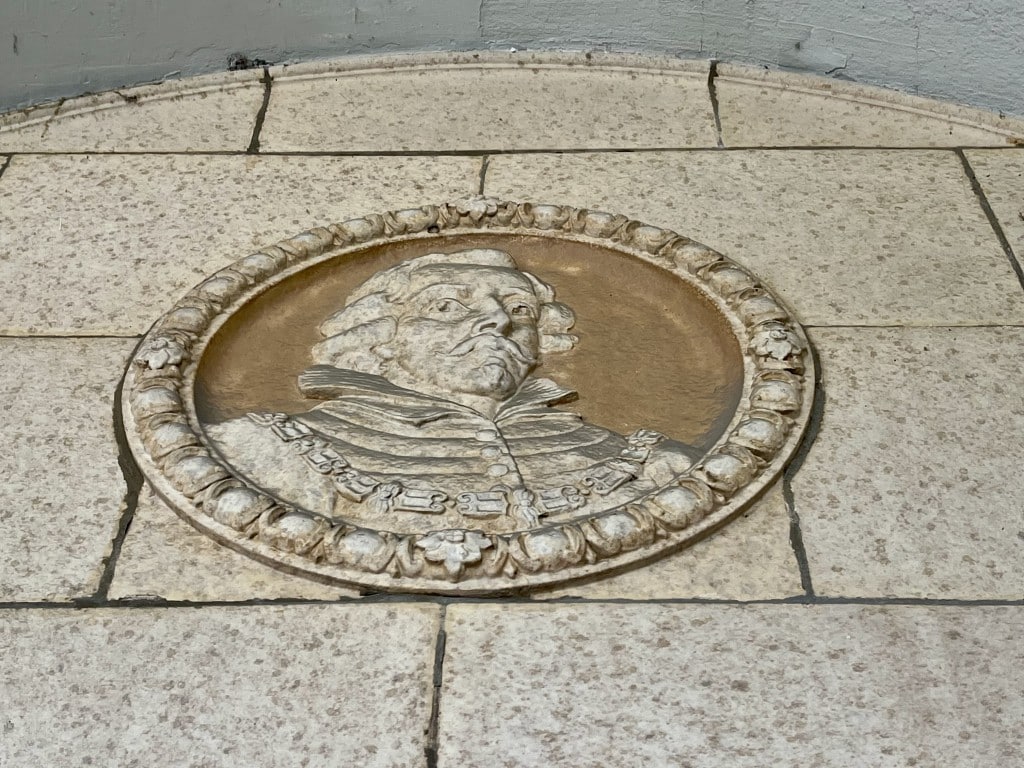
When the Garfield Park Fieldhouse was built in 1928, architects Michaelsen & Rognstad leaned into a popular style of the day: Spanish Baroque Revival. That meant arches, shells, shields, cherubs, and yes—royal portraits. Buildings of this style borrowed from Spain’s imperial past to give a sense of grandeur and permanence, suggesting that even neighborhood park buildings could be as majestic as Old World palaces.
The queen carved into the wall isn’t meant to represent one specific monarch. Instead, she stands in for the idea of nobility and heritage. In a sense, her presence is aspirational—reminding West Siders that their community deserved beauty and dignity, not just utilitarian brick boxes.
So the next time you pass by the Fieldhouse, pause under the gaze of this stone sovereign. She’s a reminder that even in the heart of Chicago’s West Side, public architecture was once designed to inspire awe, pride, and belonging.

Related Articles
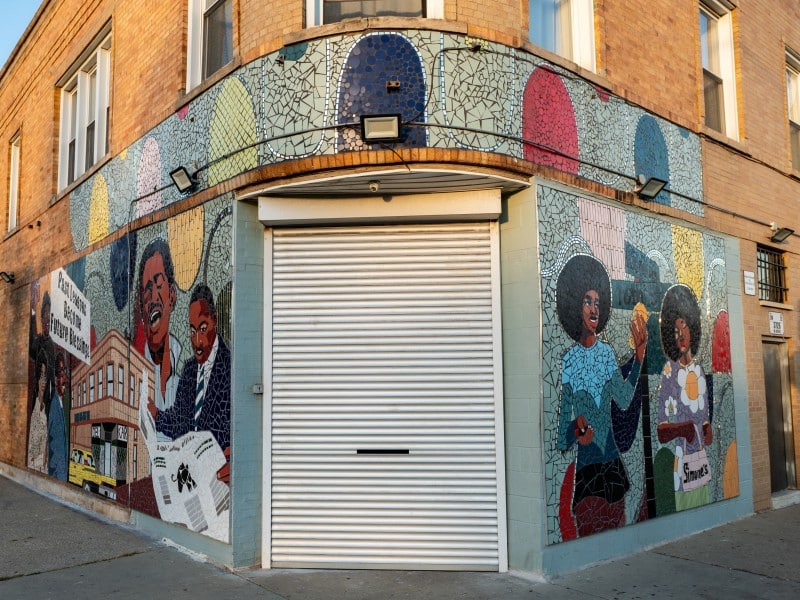
Past Lessons Become Future Blessings
At Del-Kar Drugs, a mosaic links personal memory with neighborhood history — from the Vice Lords and the Panthers to the Muldrow family’s enduring legacy
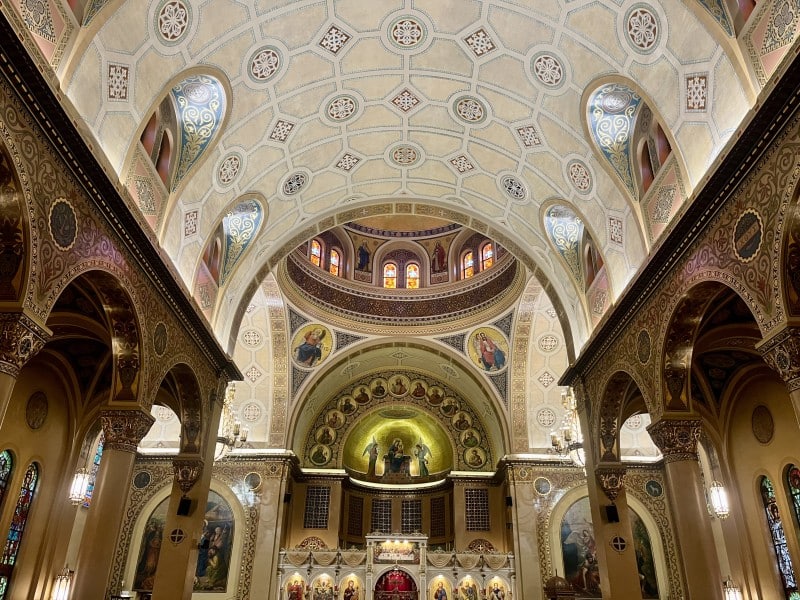
West Side Sanctuaries Shine During Open House Chicago
From Austin to North Lawndale, sacred spaces opened their doors during this year’s citywide architecture festival—highlighting the West Side’s growing prominence.
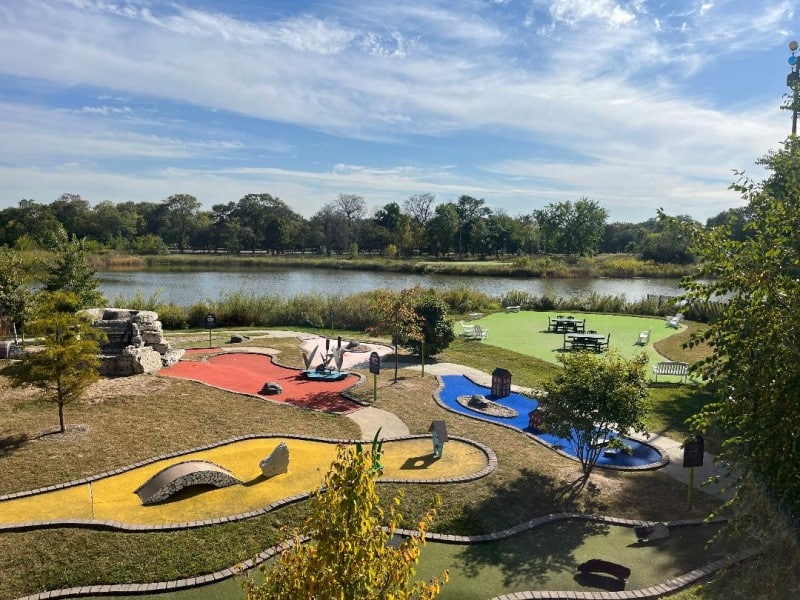
Putt Around Before the Cold
With bird-inspired fun at Douglass Park (opened in 2021) and a brand-new free course at Austin’s Columbus Park, the Chicago Park District and Troon Golf are bringing neighbors fresh ways to enjoy the outdoors before winter hits.