
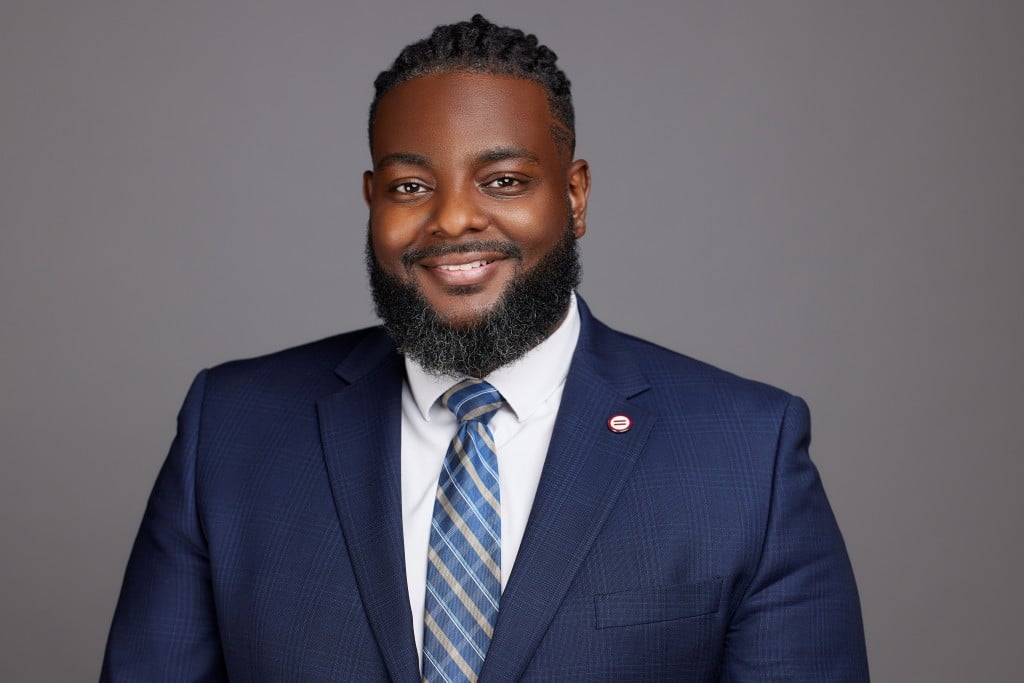
Anthony Driver
Anthony Driver’s full response to a questionnaire submitted by The Culture and the Westside Branch NAACP
Full Name (as it will appear on the ballot)
Anthony Driver Jr.
Party affiliation
Democrat
How can people learn more about your campaign?
What do you believe this office is actually responsible for—and what is it not responsible for? How would that understanding guide your decisions if elected?
I believe a House seat is fundamentally responsible for elevating the voices of working families and dismantling systemic inequalities. It’s about championing policies for universal healthcare, livable wages, affordable housing, and climate justice, ensuring the government invests in people, not just profits. It is responsible for challenging corporate power and reforming our democracy. What this office is not responsible for is maintaining a broken status quo that enriches billionaires or catering to special interests. It’s not about accepting wealth inequality or neglecting the needs of marginalized communities. My decisions will always reflect my commitment to organizing, challenging the system, and ensuring that our government truly serves the many, not just the wealthy few.
Congressman Davis brought decades of seniority and committee access that helped direct federal resources to this district. Without that institutional leverage, what is your concrete plan to compete for federal funding—especially in the early years of your term?
I deeply respect Congressman Davis’s strategic use of his decades of seniority and committee positions to bring federal resources directly to our district. That was a truly strategic approach, leveraging institutional power effectively for our community. My commitment is to be equally strategic, but through a different kind of power: collective organizing. While I won’t have immediate seniority, I will work diligently to unite and organize progressive Democrats into a powerful, unified bloc. My experience as a labor leader has taught me that collective strength can move mountains. By strategically leveraging our numbers and shared progressive agenda, we will collectively demand and secure federal funding for infrastructure, healthcare, education, and economic development, ensuring our district gets its fair share from day one.
Washington is undergoing major changes in how federal education policy is administered, including significant restructuring of the Department of Education, shifts in grant administration, and ongoing legal disputes over Title IX enforcement. These changes have real consequences for local school districts. If elected, how would you help constituents understand what is changing—and what responsibility do you believe Congress has to intervene when executive actions may conflict with congressional intent or existing law?
As a Congressperson, my immediate priority would be to ensure our community deeply understands these complex shifts in federal education policy. I’d initiate regular town halls and partner directly with local school districts, educators, and parent groups to demystify changes in grant administration and Title IX enforcement, focusing on their direct impact on our students and families. Congress has a fundamental responsibility to act as a check on executive power. When executive actions conflict with legislative intent or existing law, it’s not just an option, but a moral imperative to intervene. My background as an organizer has shown me the importance of upholding established protections and fighting for what’s right. I would champion rigorous oversight and use every legislative tool to ensure federal education policy serves the best interests of our students, not partisan agendas or corporate influence.
Both parties’ House leaders—Democratic Leader Hakeem Jeffries and Speaker Mike Johnson—operate under intense scrutiny and internal debate about strategy, effectiveness, and governance. As a prospective new member of Congress, how do you evaluate party leadership, and under what circumstances would you support or oppose your party’s leaders?
As a labor leader and lifelong organizer, I evaluate party leadership not by their titles, but by their commitment to building power for working people and advancing a truly progressive agenda. I would support leaders like Hakeem Jeffries when they are strategically uniting our caucus to fight for bold legislation, like Medicare for All, the PRO Act, and climate action, that directly benefits our constituents and dismantles systemic inequality. However, I’ve also learned the importance of calling things out, even within our own party. I would oppose leadership when they cede ground to corporate interests, fail to deliver on our promises to the people, or neglect the urgent needs of marginalized communities. My loyalty is to the movement and the people I represent, not to any single leader or party establishment.
On the West Side, there’s a critical need for affordable housing. Will you cosponsor and actively whip support for the Neighborhood Homes Investment Act (H.R.2854) to finance rehab/ownership in disinvested neighborhoods—and what specific guardrails would you demand so it prevents displacement rather than accelerating speculation and gentrification?
Absolutely. The critical need for affordable housing on the West Side demands immediate action, so I would enthusiastically co-sponsor and actively whip support for the Neighborhood Homes Investment Act (H.R.2854). However, as a labor leader dedicated to preventing exploitation, I would insist on robust guardrails to ensure it genuinely serves our communities. These must include stringent anti-speculation clauses, long-term affordability covenants tied to the properties, and prioritization for existing residents and community land trusts. We must also pair it with robust tenant protections, like the right to counsel, to prevent any unintended displacement. This approach ensures that investments uplift our neighbors, fostering true community development rather than accelerating gentrification or profit for speculators. It’s about building equitable communities, not just houses.
West Side households get hit hardest when food, utilities, and essentials jump. Would you vote for the Price Gouging Prevention Act of 2025 (introduced as H.R.4528 / S.2321)—and what should count as an “exceptional market shock” where gouging enforcement kicks in?
Yes. I would vote for the Price Gouging Prevention Act of 2025. West Side families are already under financial pressure. Sudden spikes in food, utilities, and basic necessities are not market forces at work. They are crisis exploitation, and the government must act. An “exceptional market shock” should be narrowly defined and include declared emergencies, major supply chain disruptions, and unjustified price increases in essential goods that exceed documented cost increases. It should not include routine inflation or legitimate, transparent cost changes. Enforcement should focus on large corporate actors, not small businesses acting in good faith. Protecting consumers during crises is essential to economic justice.
One major Democratic voting-rights agenda item is restoring/modernizing Voting Rights Act protections through the John R. Lewis Voting Rights Advancement Act of 2025 (H.R.14 / S.2523). Would you support this?
Yes.
What is your understanding of the SAVE Act and what is your position on the pending legislation?
The SAVE Act, or Safeguard American Voter Eligibility Act, would require documentary proof of U.S. citizenship to register to vote in federal elections. While noncitizen voting is already illegal and extremely rare, this proposal would create new barriers for eligible voters. I oppose the SAVE Act because it would disproportionately disenfranchise seniors, low-income voters, students, married women, and communities of color who may not have easy access to the required documents. Protecting election integrity is important, but it should not come at the cost of restricting lawful participation. Our focus should be on expanding access, strengthening administration, and building trust in our democracy, not making it harder for eligible citizens to vote.
Many West Side leaders argue violence reduction requires poverty reduction and local investment, not just enforcement. What federal funding streams would you expand or protect for community violence intervention, trauma services, and youth employment—and how would you measure success in IL-7 beyond arrest stats?
West Side leaders are absolutely right: violence reduction starts with poverty reduction and deep community investment. I would fiercely advocate for expanding federal funding streams for Community Violence Intervention (CVI) programs, backing initiatives that empower local organizations and street outreach workers. We must also significantly increase access to federal grants for trauma-informed mental health services and bolster youth employment programs, including robust workforce development and initiatives akin to a Civilian Climate Corps. Success in IL-7 goes far beyond arrest statistics. We’d measure it by quantifiable reductions in shooting incidents, increased school attendance and graduation rates, higher youth employment numbers, improved mental health outcomes for residents, and enhanced community-reported feelings of safety and stability. This holistic approach focuses on nurturing human potential, not just enforcing order.
Would you support the George Floyd Justice in Policing Act of 2025 (H.R.5361), and which provisions matter most to you (qualified immunity standards, national misconduct registry, DOJ “pattern or practice” power, training requirements)?
This is absolutely essential, and I would champion it wholeheartedly. My personal experience and my career have taught me that true justice demands accountability from systems, not just individuals. This Act is a vital step toward reforming a system that has too often failed our communities. The ending of qualified immunity is paramount to me. It’s a shield that has allowed officers to evade accountability for misconduct, eroding trust and perpetuating cycles of injustice. Holding officers responsible for their actions is a foundational step. Equally critical are the national misconduct registry and empowering the DOJ’s “pattern or practice” investigations. A national registry prevents problematic officers from simply moving to another department, fostering transparency. The DOJ’s power to investigate systemic issues is crucial, it allows us to address the root causes of brutality and discrimination within entire police forces, leading to structural change, not just band-aid solutions.
Related Articles
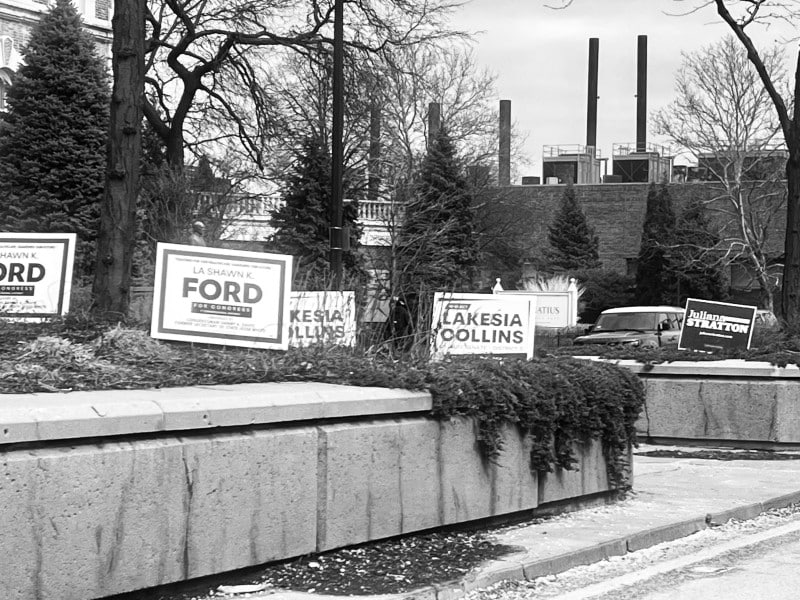
Chicago Outpaces Suburban Cook in Primary Turnout Despite Record Early Voting in the Suburbs
Election Day brought isolated polling-place issues but no widespread disruptions, officials said
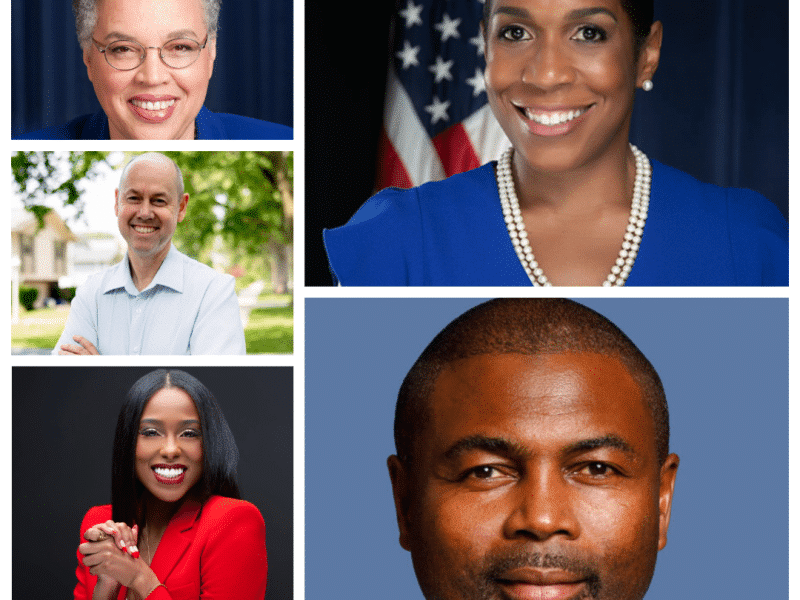
Ford’s Suburban Edge Carries Him Past Conyears-Ervin in 7th District Democratic Primary
Franklin wins Ford’s old House seat; Stratton captures Senate primary as Hynes and Preckwinkle notch major Cook County victories
BALLOT POWER
A nonpartisan voter guide for the Greater West Side created with the help of the Westside Branch NAACP