
Shantel Franklin
Shantel Franklin’s full response to a questionnaire submitted by The Culture and the Westside Branch NAACP

How can people learn more about your campaign?
What do you believe this office is actually responsible for—and what is it not responsible for? How would that understanding guide your decisions if elected?
This office is responsible for writing and voting on laws, shaping the state budget, and providing oversight to ensure state agencies are accountable to the needs of the 8th District. It is also a platform to elevate community priorities and secure resources that strengthen families, schools, and neighborhoods. If elected, that understanding would guide my work. I would focus on advancing policies that expand opportunity, improve safety, protect housing stability, and deliver meaningful investment to Austin and surrounding communities, while leading with transparency, accessibility, and accountability.
Rep. Ford brought decades of seniority and committee access that helped direct state resources to the 8th District. Without that institutional leverage, what is your concrete plan to compete for state funding—especially in the early years of your term?
Rep. Ford’s decades of seniority helped deliver critical resources to the 8th District, and I intend to build on that foundation with a focused, strategic approach. Once elected, I will work closely with Rep. Ford during the lame-duck session to understand which organizations have received or pursued state funding, then meet with those partners to align priorities and develop a coordinated FY28 budget strategy. As the only candidate with state legislative experience, I understand the importance of engaging early. I will work directly with the Governor’s Office, budgeteers, and policy staff, while partnering with Senator Lightford and Speaker Welch to advocate for funding. I will also maintain strong relationships with the state agencies responsible for administering grants and appropriations. My approach is simple: be consistent, be prepared, and be relentless in delivering resources for the 8th District.
Rising property tax burdens continue to strain West Side homeowners, contributing to displacement and housing instability. What specific state laws or reforms would you champion regarding property tax assessments, appeal processes, and caps on increases—and how would you ensure those laws protect longtime Black homeowners rather than simply delay the problem?
Rising property tax burdens are a significant threat to housing stability, particularly for longtime Black homeowners on the West Side. I strongly support a property tax circuit breaker policy designed to protect families from being taxed out of their homes. A circuit breaker links property tax liability to income, providing targeted relief or tax credits for homeowners who spend more than a defined share of their income on property taxes. This approach Is a more equitable solution that recognizes ability to pay while helping preserve homeownership and generational wealth. I also support reforms that improve assessment transparency, strengthen appeal processes, and expand access to exemptions so relief is both fair and accessible. Sustainable property tax reform must prioritize equity, stability, and predictability. Housing stability is foundational to community stability, and property tax policy should protect families’ ability to remain in their homes, not contribute to displacement.
Illinois lawmakers recently approved a budget with millions for housing programs, but advocates say deeper investments are still needed to end homelessness and stabilize families. What line-item increases or statutory changes would you fight for to expand affordable housing, preserve existing Black homeownership, and prevent displacement in West Side neighborhoods?
Having experienced homelessness on the West Side as a child, I understand how deeply housing instability impacts families and communities. I would fight for targeted investments that expand deeply affordable housing and stabilize households at risk of displacement, including stronger support for housing trust funds, rental assistance, homelessness prevention, and homeownership preservation programs. I would also pursue statutory changes to better protect longtime Black homeowners, including expanded income based property tax relief, stronger foreclosure prevention tools, and greater access to home repair and rehabilitation grants. I would advocate for resources to acquire and rehabilitate vacant properties, support mission driven development, and advance policies that expand accessory dwelling units as a pathway to affordability, intergenerational housing, and wealth building.
The Clean Slate Act, which allows for automatic sealing of eligible criminal records, recently passed the Illinois legislature and could clear records for millions, which advocates say will help with employment, housing, and voting access if implemented fully. Do you support the state’s Clean Slate implementation efforts? If so, what oversight or performance measures would you push to ensure equitable outcomes for Black residents returning to the workforce and community?
Yes, I fully support the Clean Slate Act implementation efforts. As a legislator, I would push for strong oversight and clear performance measures. This includes regular public reporting on how many records are sealed, processing timelines, and outcomes disaggregated by race and geography. Transparency is essential to ensuring the law functions as intended. I would also advocate for coordination with employers, housing providers, and licensing boards so sealed records are respected in practice. Clean Slate must translate into real access to jobs, housing, and opportunity. Finally, I would support sustained funding for community based legal aid and reentry workforce development organizations so residents can fully benefit from the relief the law provides.
Public safety in many West Side neighborhoods remains a core concern, linked to economic opportunity and trauma recovery rather than solely law enforcement. What role should the General Assembly play in funding community-based violence intervention, youth mentorship programs, mental health access, and restorative justice, and how would you measure success beyond arrest statistics?
Public safety on the West Side must be approached as a community health issue shaped by economic opportunity, trauma, and access to support. The General Assembly plays a critical role in funding the systems that prevent violence and promote long term stability. I would advocate for sustained, multi year investments in community based violence intervention, youth mentorship and employment, expanded mental health services, and restorative justice programs led by trusted local organizations. Effective public safety policy requires stability and scale, not short term pilot funding. Success should be measured by real community outcomes, including reductions in shootings and repeat victimization, improved school engagement, stronger employment pathways, expanded access to counseling, and greater neighborhood stability. Public safety means residents feel safe, supported, and hopeful about their future. That is the standard state policy should advance.
Illinois is debating education funding and school equity, including protections for underserved students and ensuring full access to programs like special education. How would you vote on education funding reforms that directly affect resource allocation for Chicago Public Schools serving large Black student populations, and what accountability standards would you insist upon?
I support education funding reforms that advance equity and ensure Chicago Public Schools serving large Black student populations receive the resources students need to succeed. This includes strengthening equity based funding, fully funding special education services, and providing predictable, sustained investments so schools can plan, hire, and retain staff. Accountability must remain central. I would insist on transparent, school level reporting of expenditures, clear benchmarks for special education compliance, and equity audits to ensure new investments expand access to counselors, mental health supports, advanced coursework, and enrichment opportunities. The goal is not simply increased spending, but measurable improvements in opportunity and outcomes for Black students.
State representatives have significant power over appropriations, committee decisions, and constituent services. If elected, how will you regularly report outcomes back to West Side residents, include community voices in your policy priorities, and what specific measurable goals will you set for your first term (e.g., housing units created, tax relief enacted, jobs funded)?
If elected, presence, transparency, and accessibility will define how I serve the West Side. I will maintain a consistent, visible presence in the district and provide regular updates through community meetings, open houses, and clear written reports outlining legislative progress, funding secured, and constituent services. Residents will have direct, ongoing access to my office. In my first term, I will focus on measurable outcomes, including securing funding to create and preserve affordable housing, expanding access to property tax relief and exemptions, directing resources toward job training and youth employment, and increasing investments in violence prevention and mental health services. I will be clear about priorities, consistent in communication, and accountable to the people I represent.
Transit funding and infrastructure are essential to West Side economies and access to jobs. A recent legislative package included regional transit authority funding and other transit provisions. How would you ensure that state transit policy and funding decisions reflect the needs of West Side communities—such as service frequency, affordability, and safety—rather than prioritizing suburban or revenue-generating routes?
Transit is economic infrastructure for the West Side, and state policy must prioritize equity, reliability, and frequency. Residents depend on transit to reach jobs, school, and essential services, including those working nontraditional hours. I support funding and service standards that deliver consistent, off peak service and fare policies that keep transit affordable for low income riders, students, and seniors. Safety is essential to ridership. I support a visible safety presence on trains and platforms, paired with investments in lighting, cleanliness, and coordination with mental health responders so riders feel secure while maintaining equitable access. Transit policy should be measured by whether it reliably connects West Side residents to opportunity.
Lawmakers passed the Prescription Drug Affordability Act in 2025, aimed at lowering drug prices by regulating pharmacy benefit managers. Do you support this law, and what additional state measures would you vote for to reduce healthcare costs and expand access to preventive care, especially for chronic conditions disproportionately affecting Black residents?
Yes, I support the Prescription Drug Affordability Act. Regulating Pharmacy Benefit Managers is a critical step toward lowering prescription drug costs and increasing transparency in a system that too often prioritizes profit over patients. High drug prices place a disproportionate burden on Black families managing chronic conditions. Beyond this law, I support strong oversight and enforcement of Pharmacy Benefit Manager regulations to ensure savings are passed on to patients, along with policies that cap out of pocket costs for essential medications such as insulin. I would also advocate for greater investment in community health centers, mental health services, and chronic disease prevention and management programs, particularly for conditions that disproportionately affect Black residents. Reducing healthcare costs must be paired with expanding access to preventive care so families can remain healthy and financially stable.
Related Articles
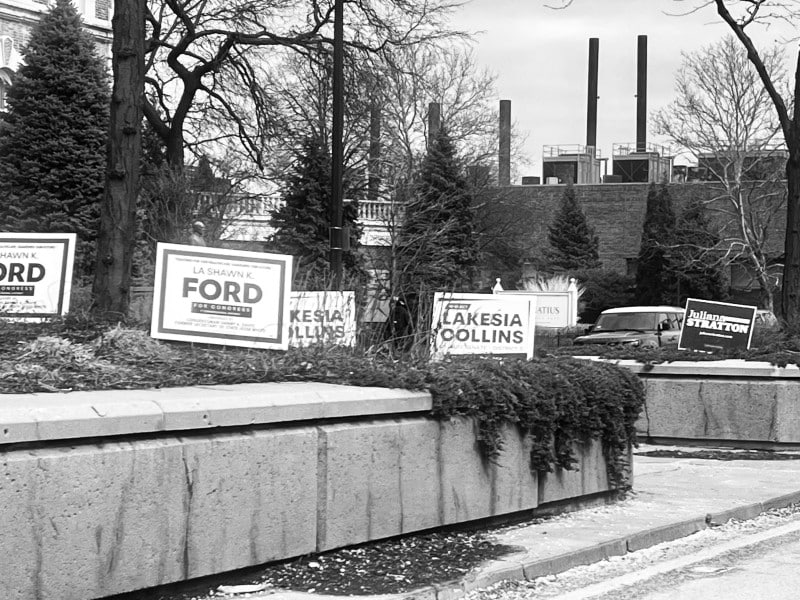
Chicago Outpaces Suburban Cook in Primary Turnout Despite Record Early Voting in the Suburbs
Election Day brought isolated polling-place issues but no widespread disruptions, officials said
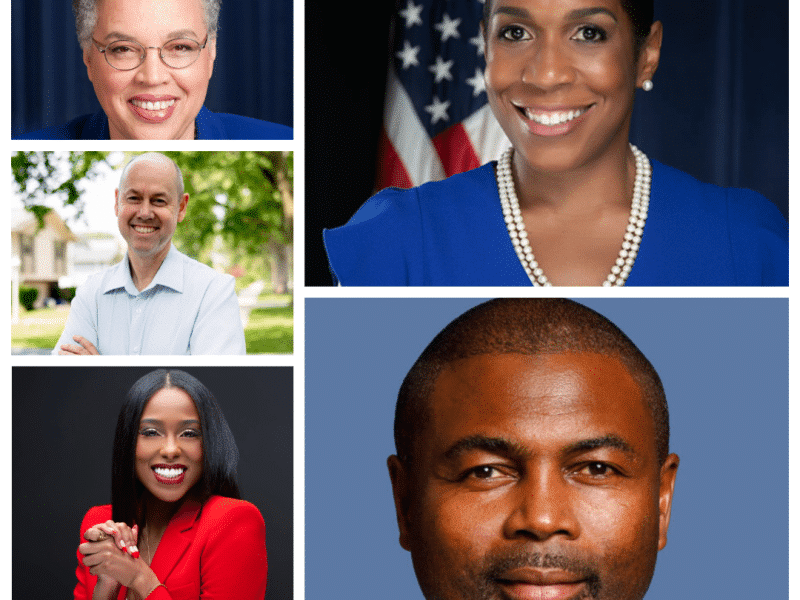
Ford’s Suburban Edge Carries Him Past Conyears-Ervin in 7th District Democratic Primary
Franklin wins Ford’s old House seat; Stratton captures Senate primary as Hynes and Preckwinkle notch major Cook County victories
BALLOT POWER
A nonpartisan voter guide for the Greater West Side created with the help of the Westside Branch NAACP